Current events are hitting hard - personally, nationally and internationally.
This piece is drawing from two perspectives; my lived experience and research, alongside policy proposals and discussion at the Organisation for Economic Co-operation and Development intergovernmental network, in Paris.
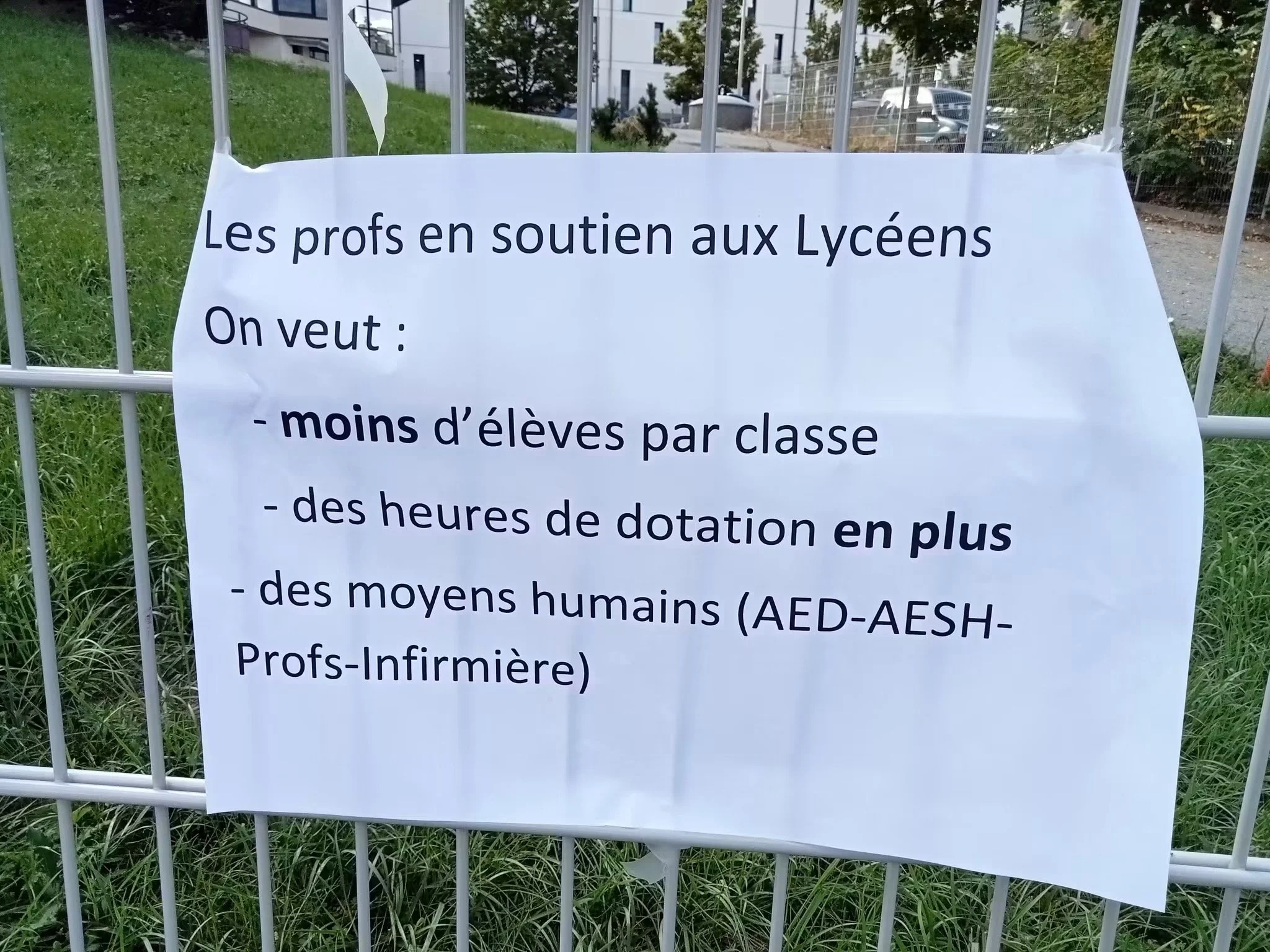
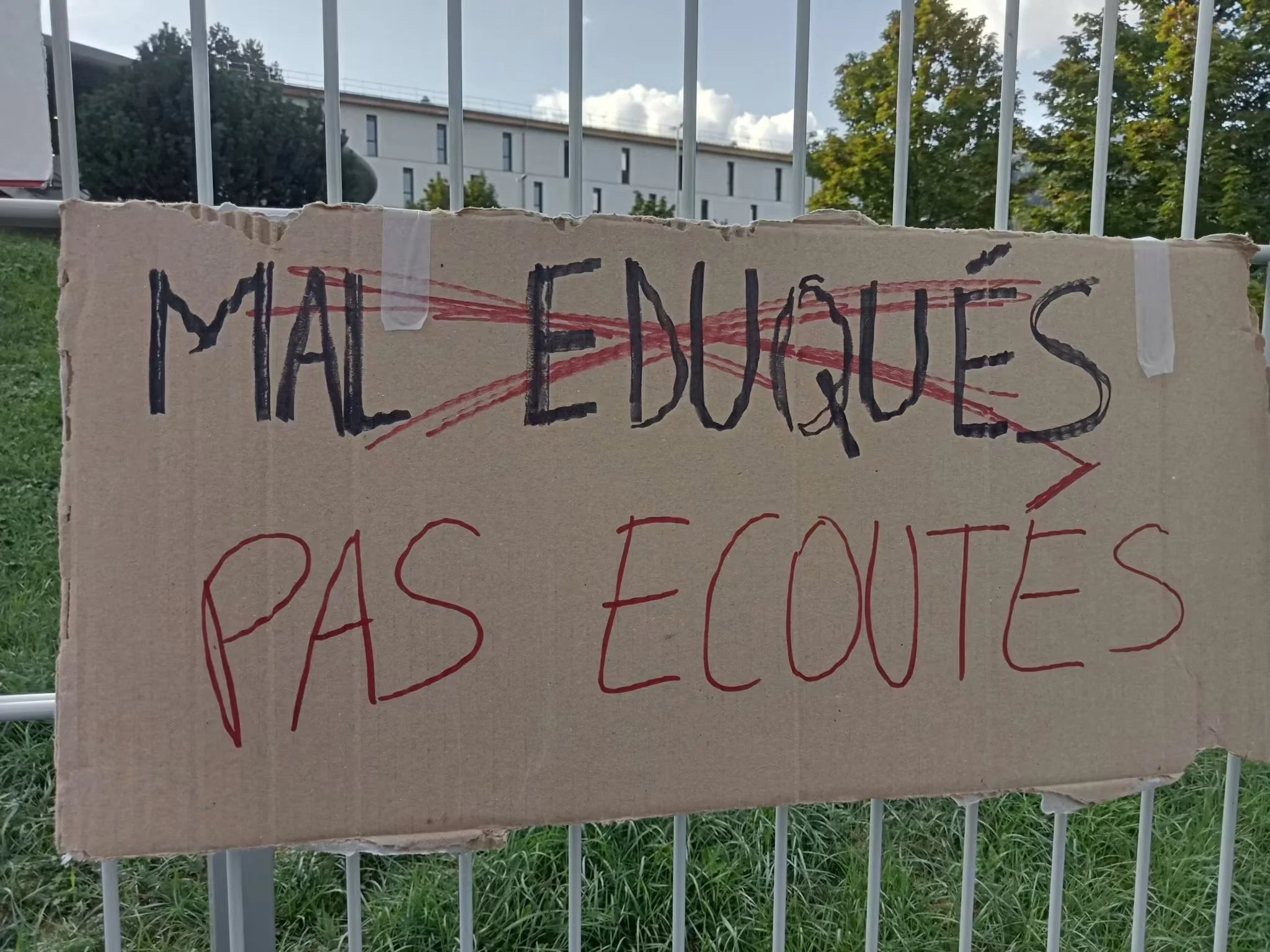
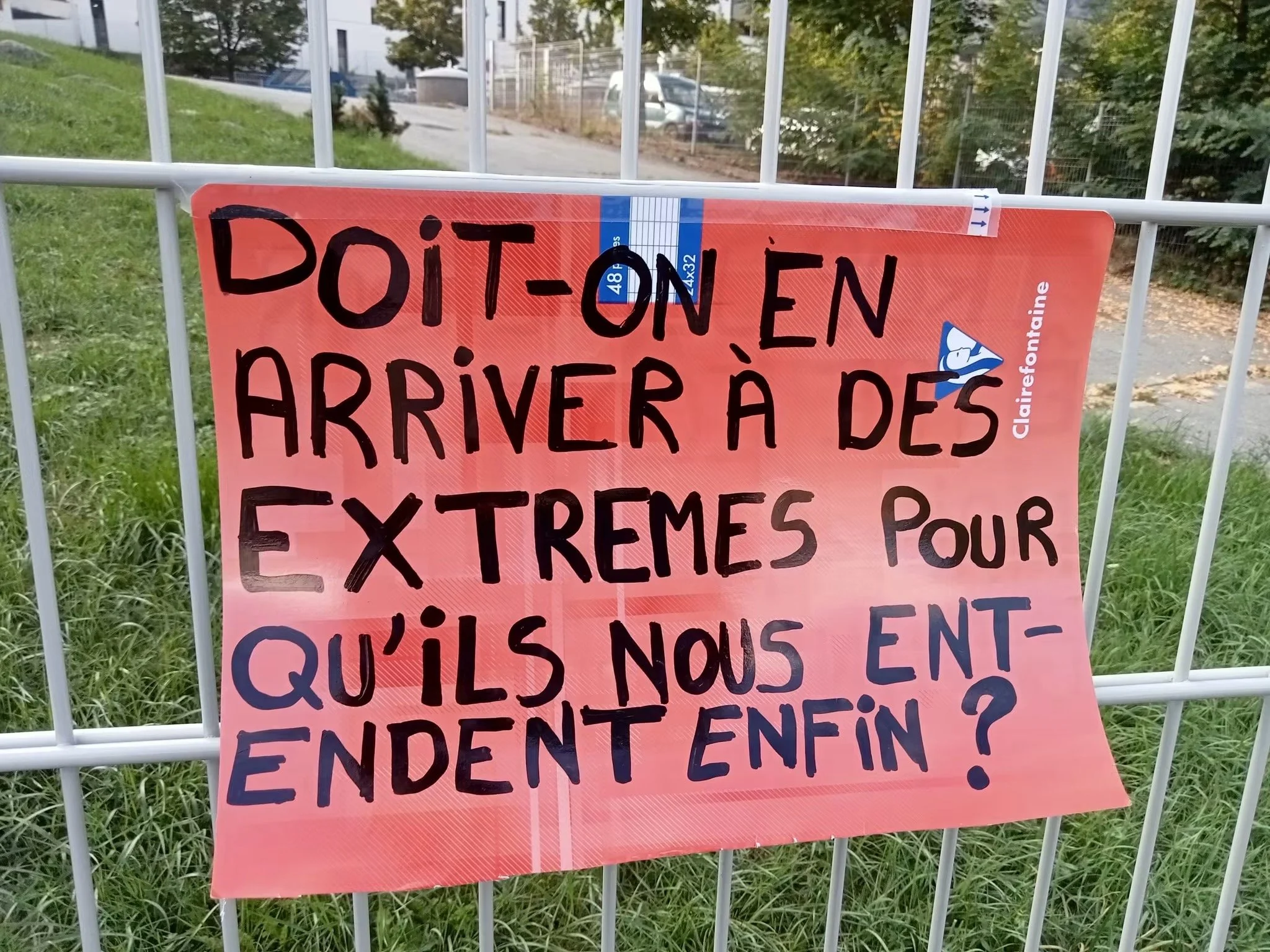
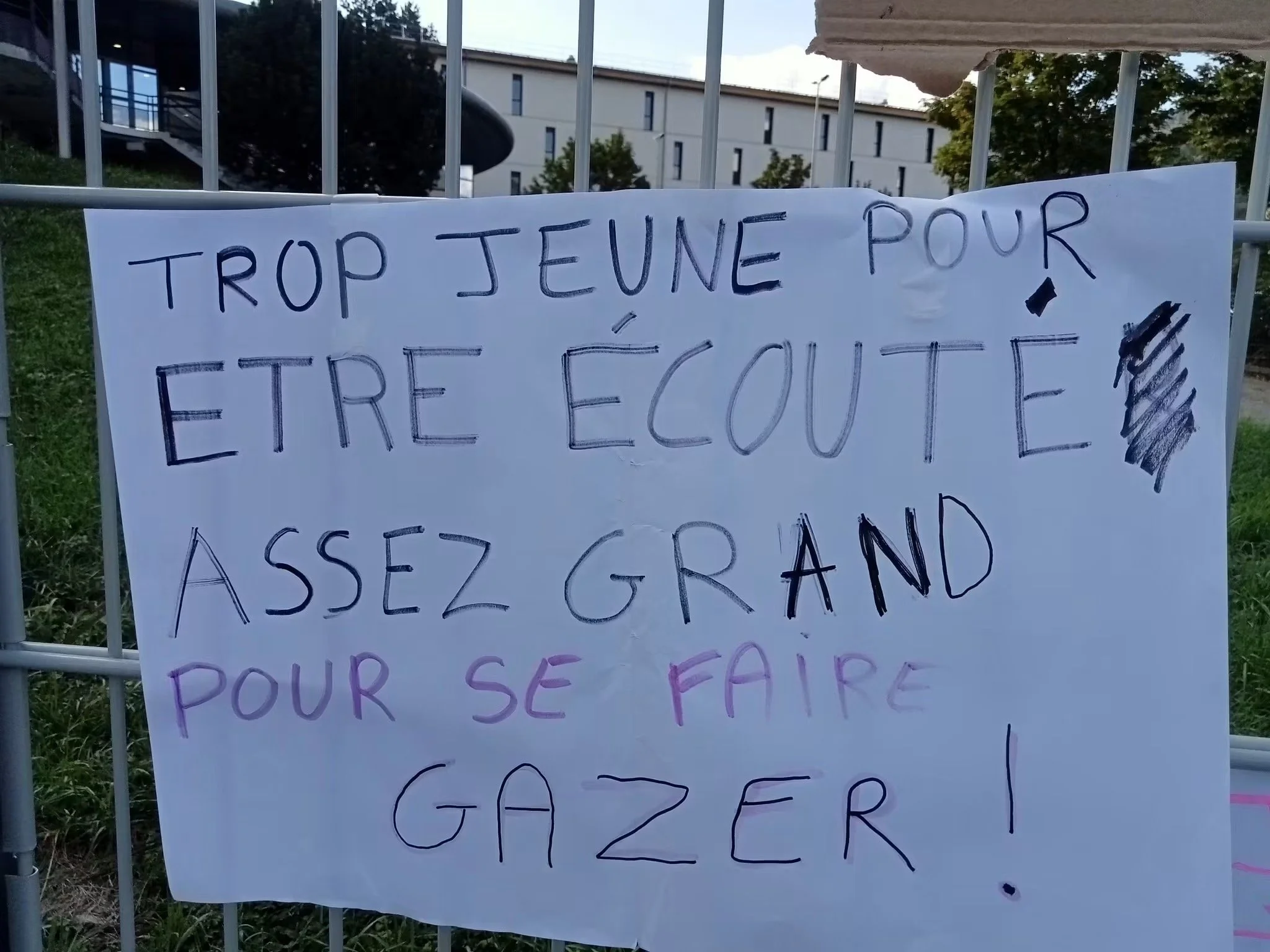
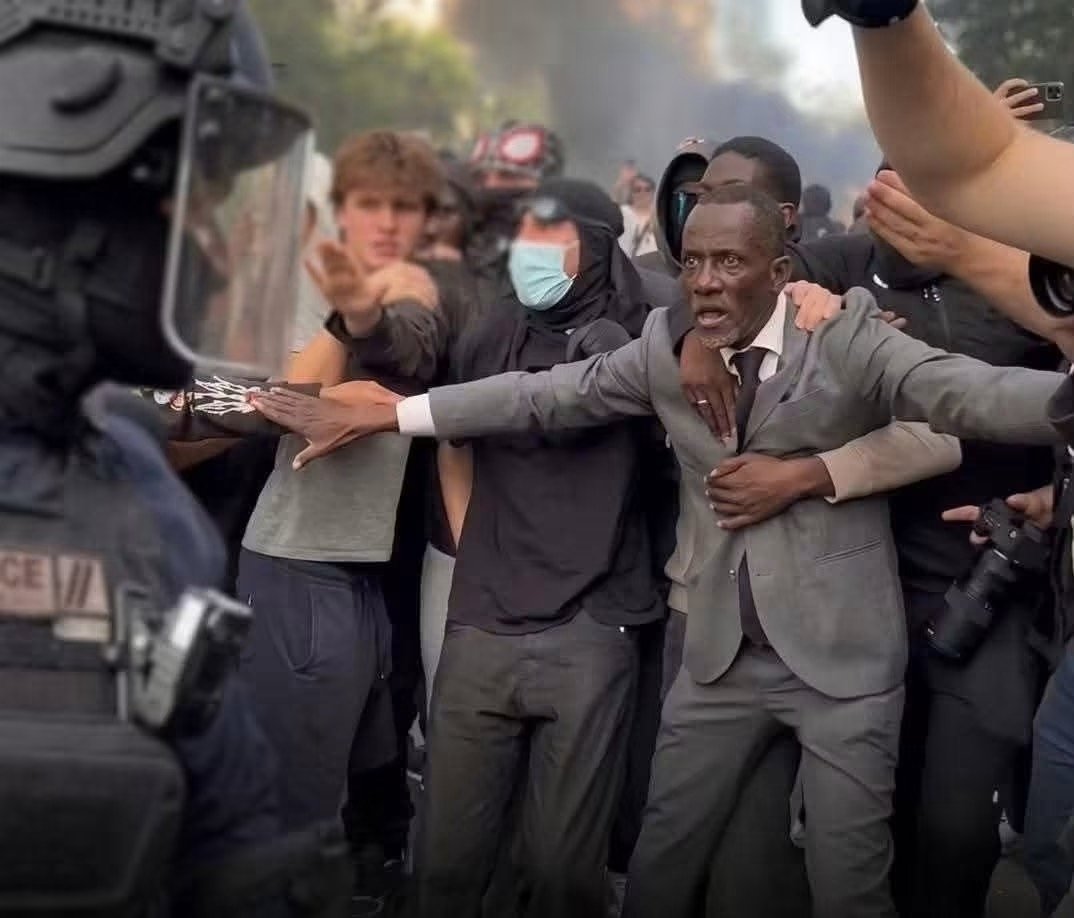
Selection of placards from the “blocus” in Haute Savoie, October 1st 2026: “teachers support Lycéens - less students in each class, additional staffing hours, human resources”, “not badly educated, not heard”, “must we go to extremes to finally be heard”, “too young to be listened to; old enough to be tear gassed”; Screenshot of Bally Bagayoko, French Politician and Mayor of Saint-Denis, protecting Lycéens during protests in Paris, October 2026.
Life in France is compliqué at the moment. I say this as a teacher, a taxpayer and parent of a 5 year old and 15 year old lycéen. I am currently walking a fine line between parenting and being a lifelong advocate for systems change; condemning violence, yet applauding the courage of a collective resistance levelling up against systemic injustice.
The Lycéens are protesting for investment in their education and future, which in their reality plays out as a lack of resources - a shortage of teachers and the dilapidation of buildings.
Wider society is experiencing external pressures; social media and screens; rising fuel and food prices; the ‘knowns’ of climate change and the ‘unknowns’ of AI; the hypocrisy / audacity of the historical times we are living through: cov*d, brex*t, the epste*n class; of Genoc*des in Sudan, Congo, Palestine.
Our international and national institutions - once deemed to hold some sort of intellectual and moral authority - are failing to deliver in such chaotic and fast moving times, described by American Journalist Dr Stacey Patton as: “The unravelling false promises of western capitalism and how the colonizer’s house is on fire”.
At what point did the United Nations lose its teeth? Since when has the International Court of Justice and the international rule of law become unenforceable?
Having worked in the public sector I know there are many good people within those walls, whose collective intentions are to make the world a better place and improve the lives of the people that they serve. The people that are doing good, are succeeding despite the limitations of the structures and the institutions which surround them. This takes a huge amount of personal energy and steadfast determination which should be applauded. Transformational change cannot happen in any institution unless there is a dual approach - bringing together perspectives in parallel from outside and inside the system, navigating a shared learning pathway.
It gives me some hope that this month’s Nobel Peace Prize winner is Navanethem Pillay, an experienced jurist who chaired a United Nations commission concluding that Israel committed genocide in Gaza, was commended for "her efforts to promote peace and international law."
For all public institutions and leaders though, the question remains: whose best interests do they have at heart, while there are so many “bigs” vying for attention - pharma, tech, energy, money etc and just handful of billionaires reap the profits.
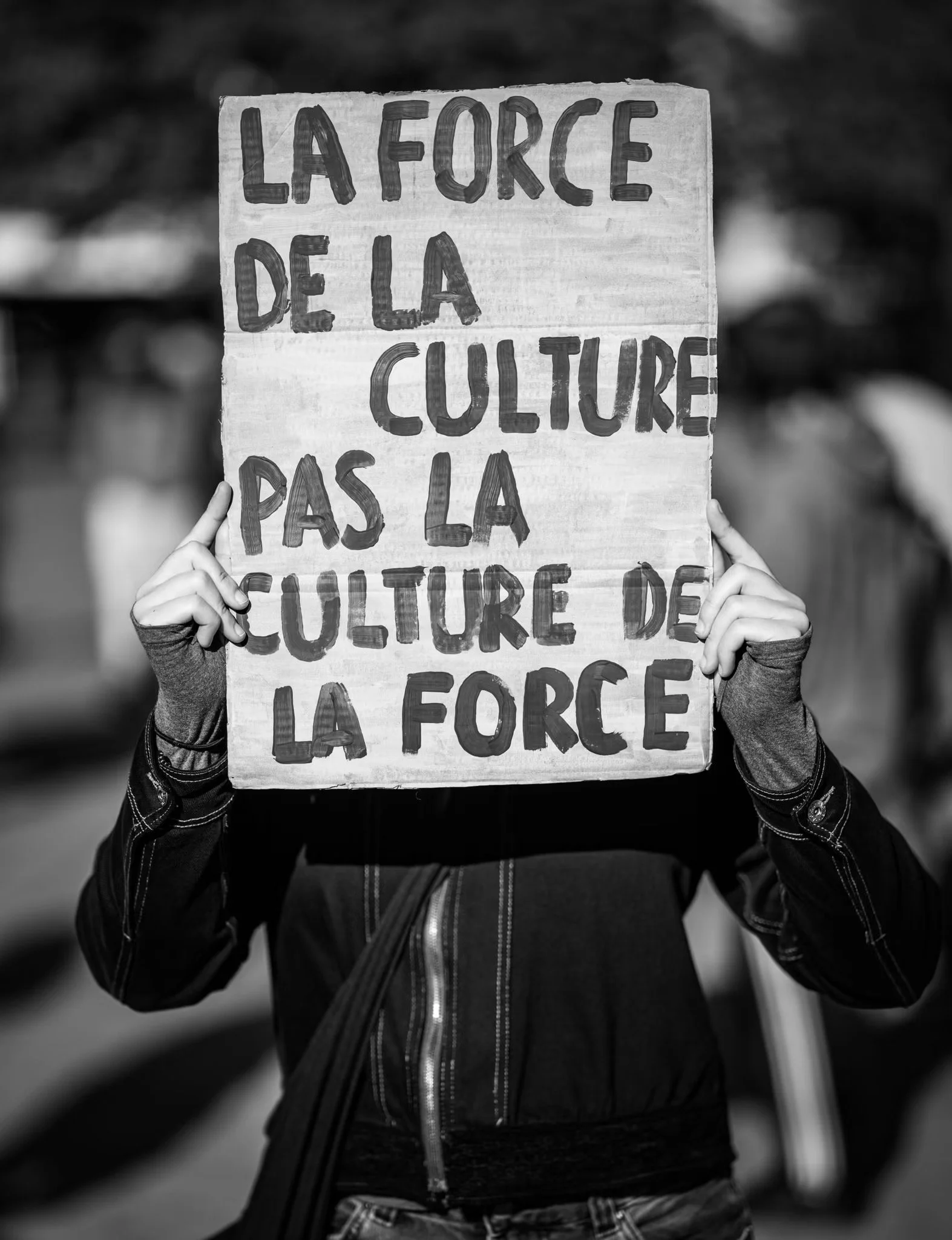
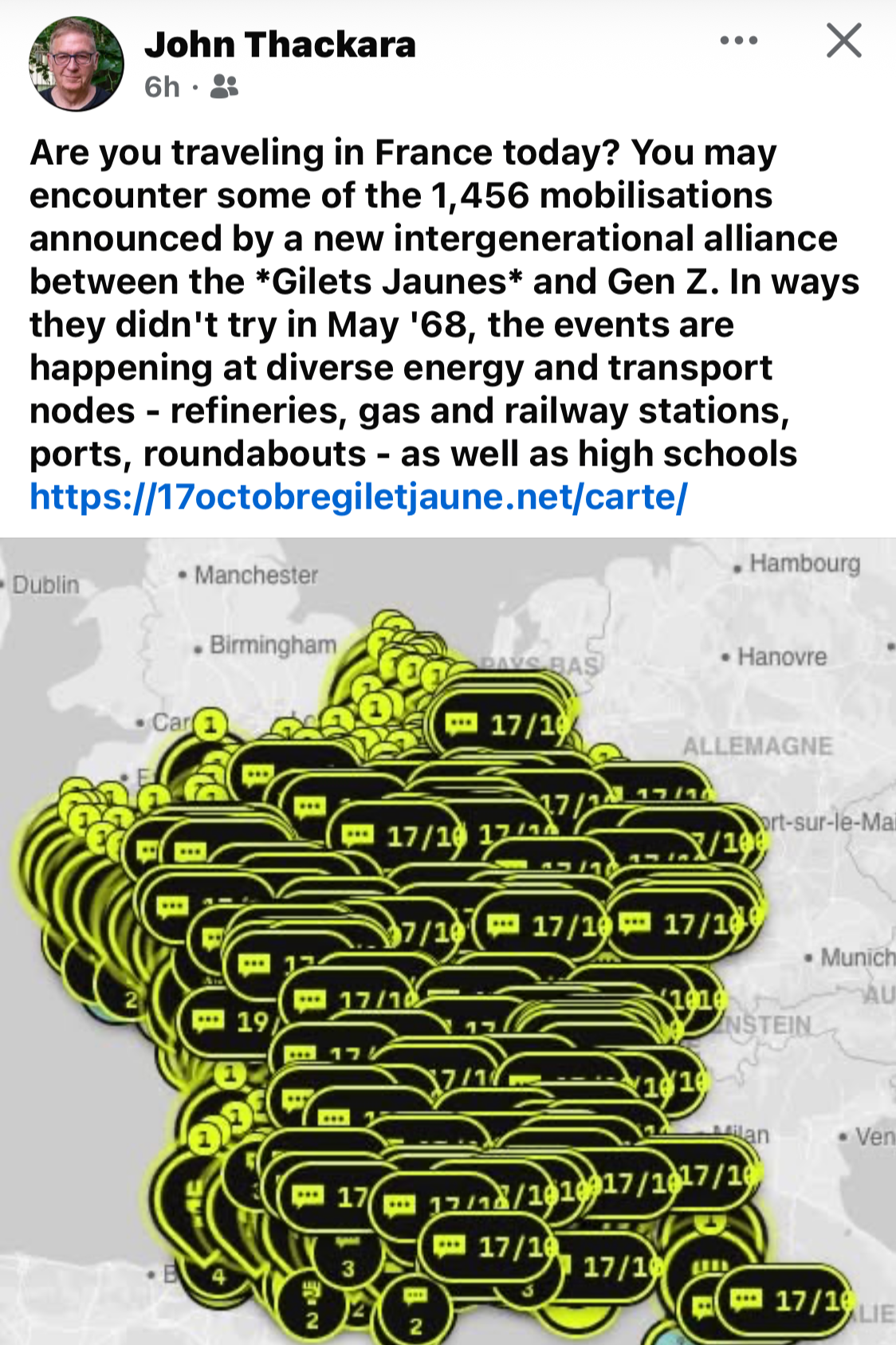
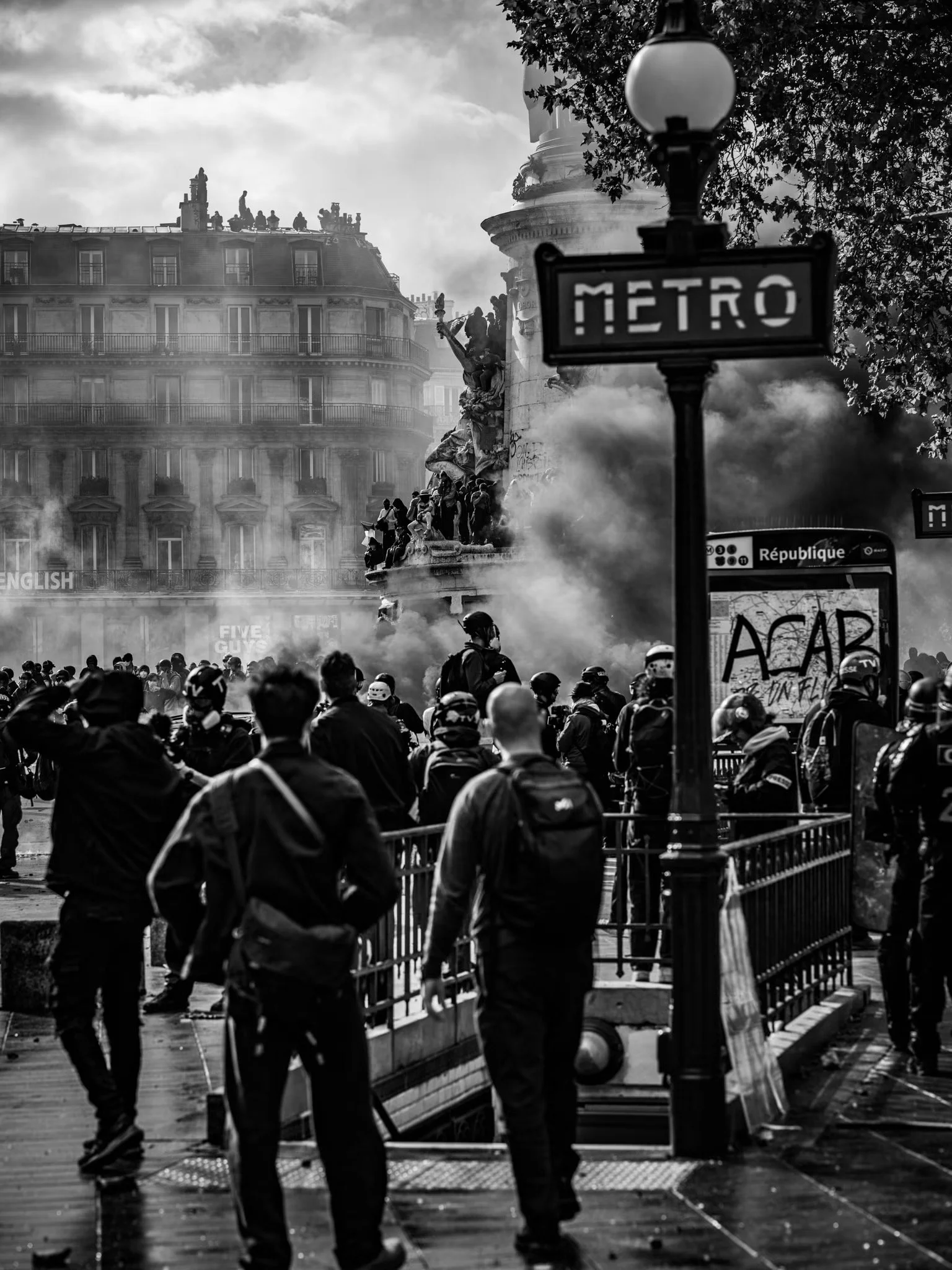
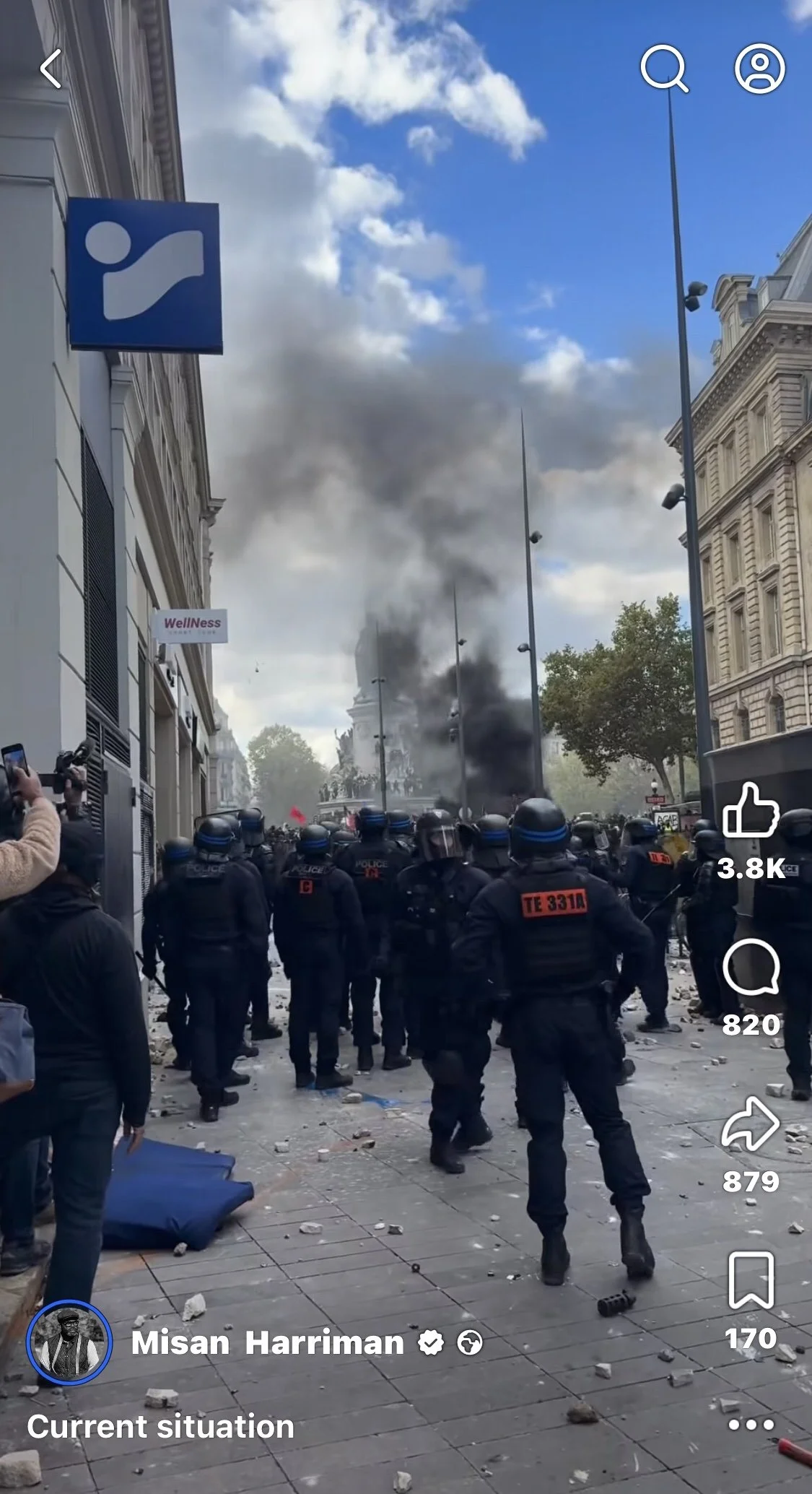
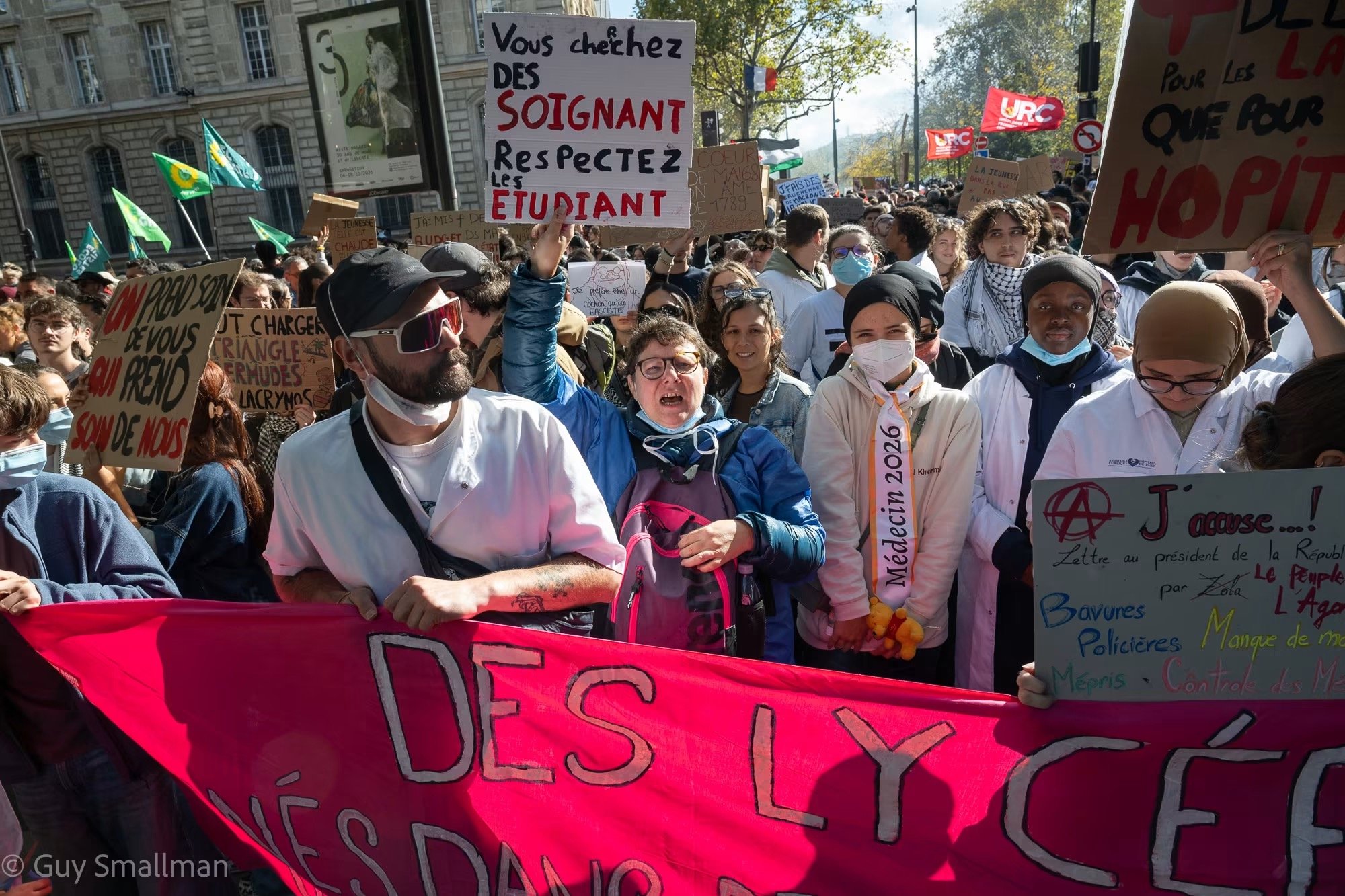
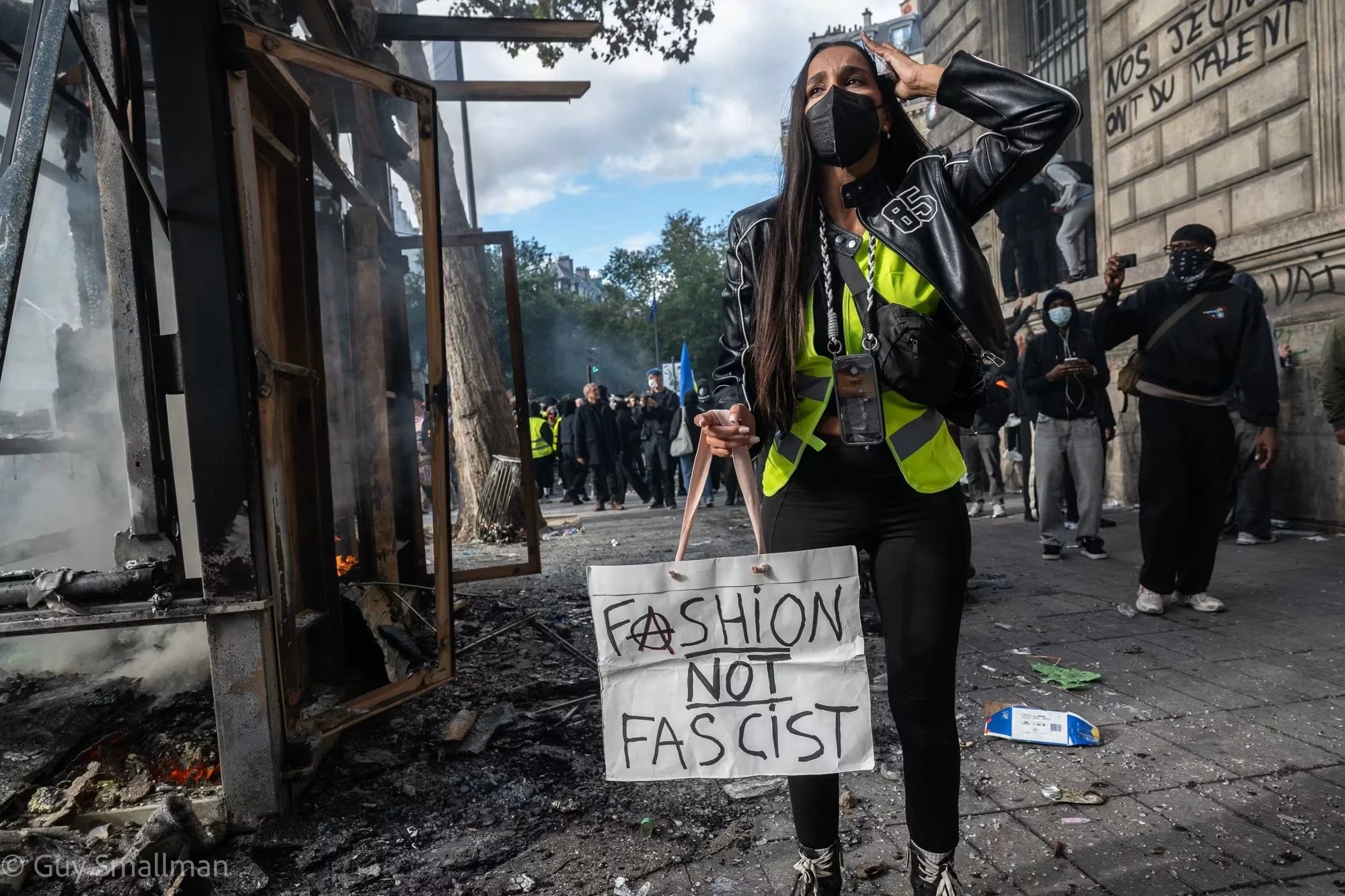
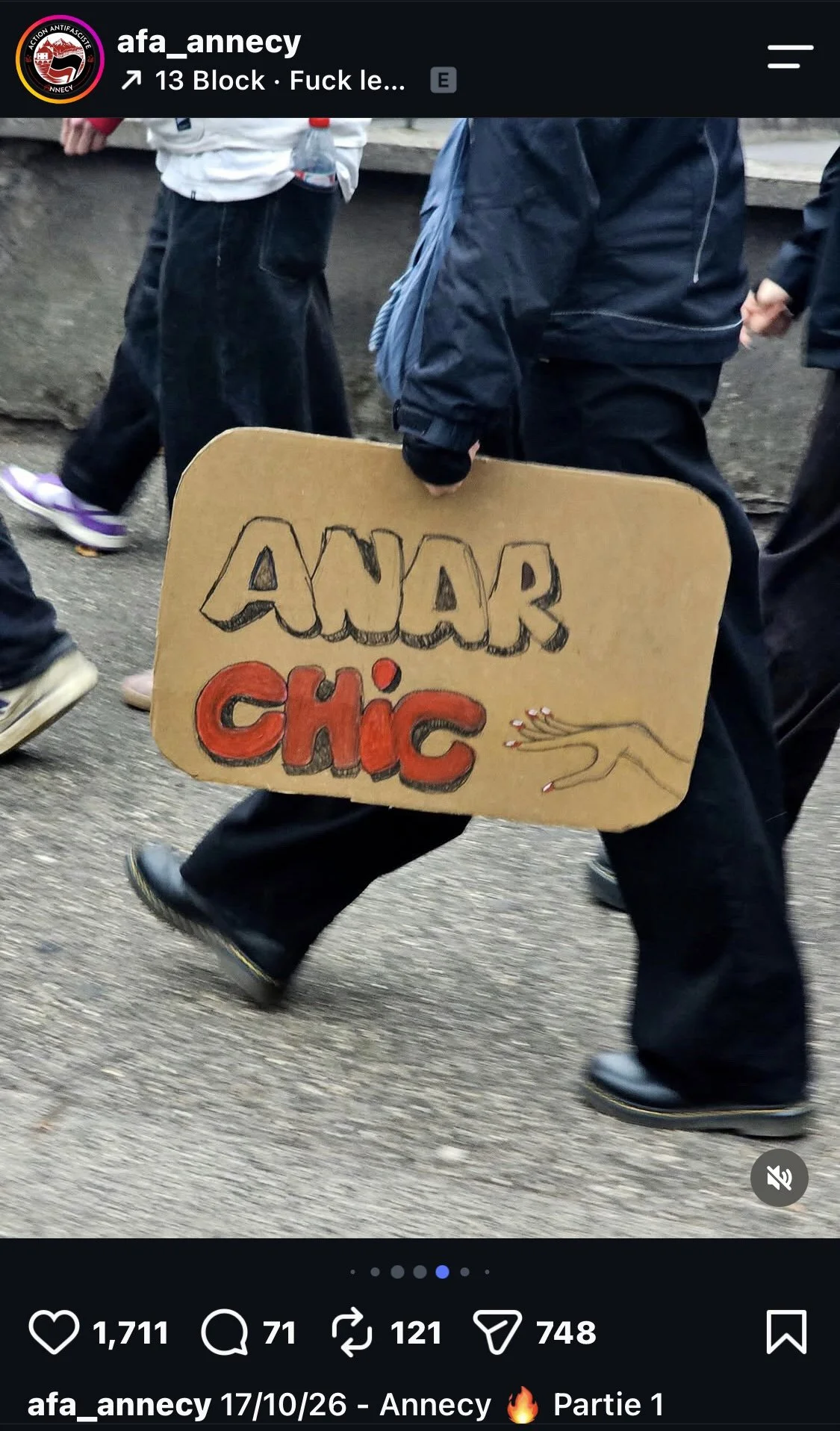
“The force of culture, not the culture of the force” and “Metro”; Photographer / Journalist: Misan Harriman, UK; Facebook screenshot from John Thackara detailing mobilisations across France; “Fashion not fascist”, “Vous cherchez les soignants, respectez les étudiants” Photographer: Guy Smallman; Instagram screenshot “Anar… chic”, AFA Annecy.
In France, what started primarily as a peaceful action by Lycéens in Paris and other major cities on the 1st October, became a wider movement against general rises in the cost of living by October 17th.
Lycéens initially led with creativity yet determination for their cause - featuring Pink Panther, superheros, community orchestras and stylish placards. Thousands joined them and at some points, in some places, protests became violent. Social media footage shows agent provocateurs inciting and ramping up violence. Children got hurt.
The disproportionate reaction from state forces and riot police, in certain areas - responding in their masses, kettling, armed with tear gas, grenades - is never acceptable.
Through my research with Refugees and forcibly displaced communities, I have met many people who have lived through violence and conflict in their day to day lives. Violence has been the weapon of choice for imperialist forces across the world. Sustained violence causes pain and inter-generational trauma, far beyond the initial blows. I acknowledge that I can say this from a position of privilege. But some communities do not have that choice. If they are facing systemic injustice and have not been engaged, acknowledged, or even deliberately silenced, resorting to violence can arguably become the only chance to be heard and understood.
Now in France though, the Lycéens legitimate protest for investment in their education and their future are no longer headlines, instead overshadowed by unprecedented violence and fire raging through Limoges Mairie. As curfews are imposed in major cities across France it is possible this turbulence could continue until the French elections in the Spring.
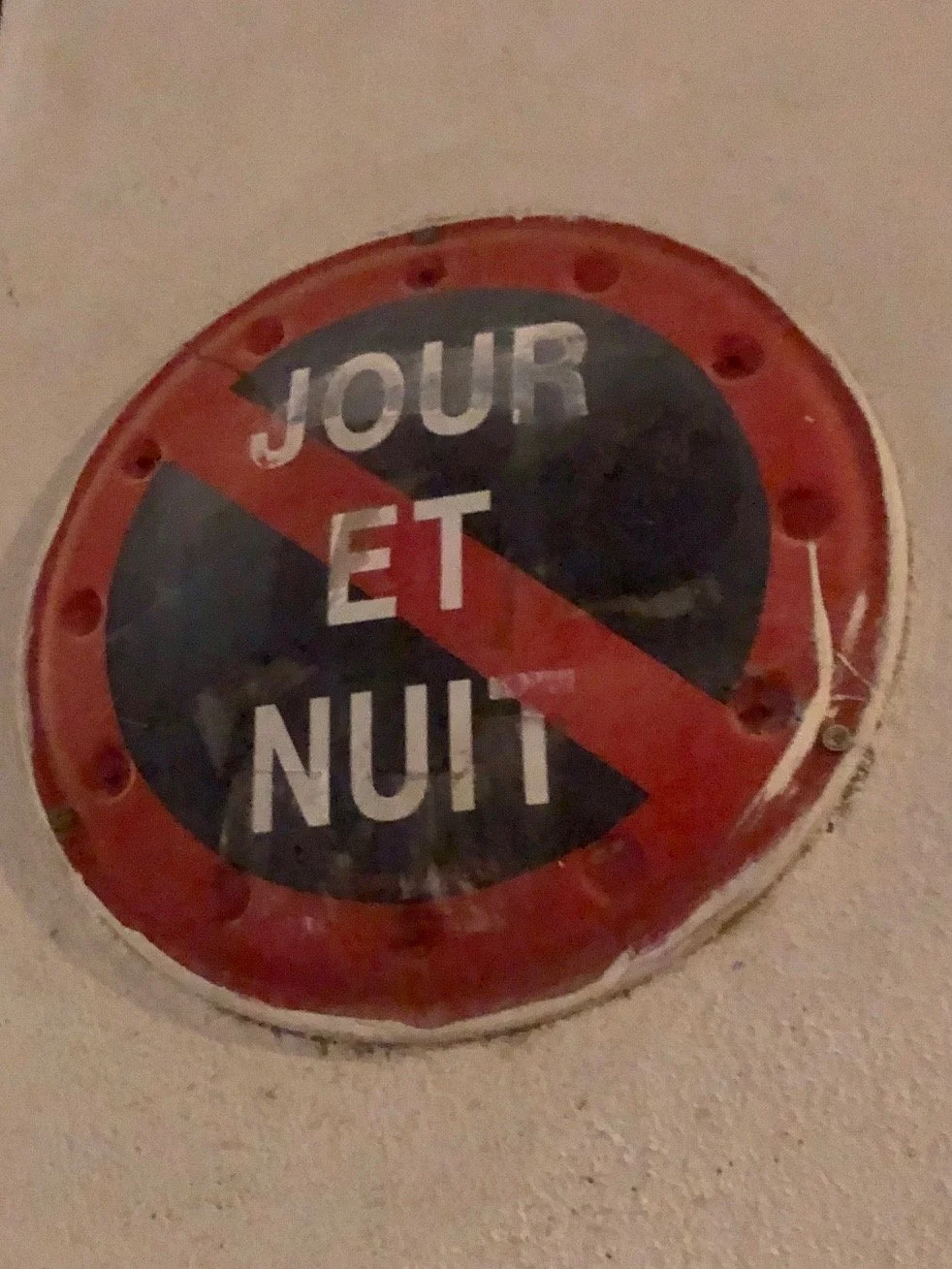
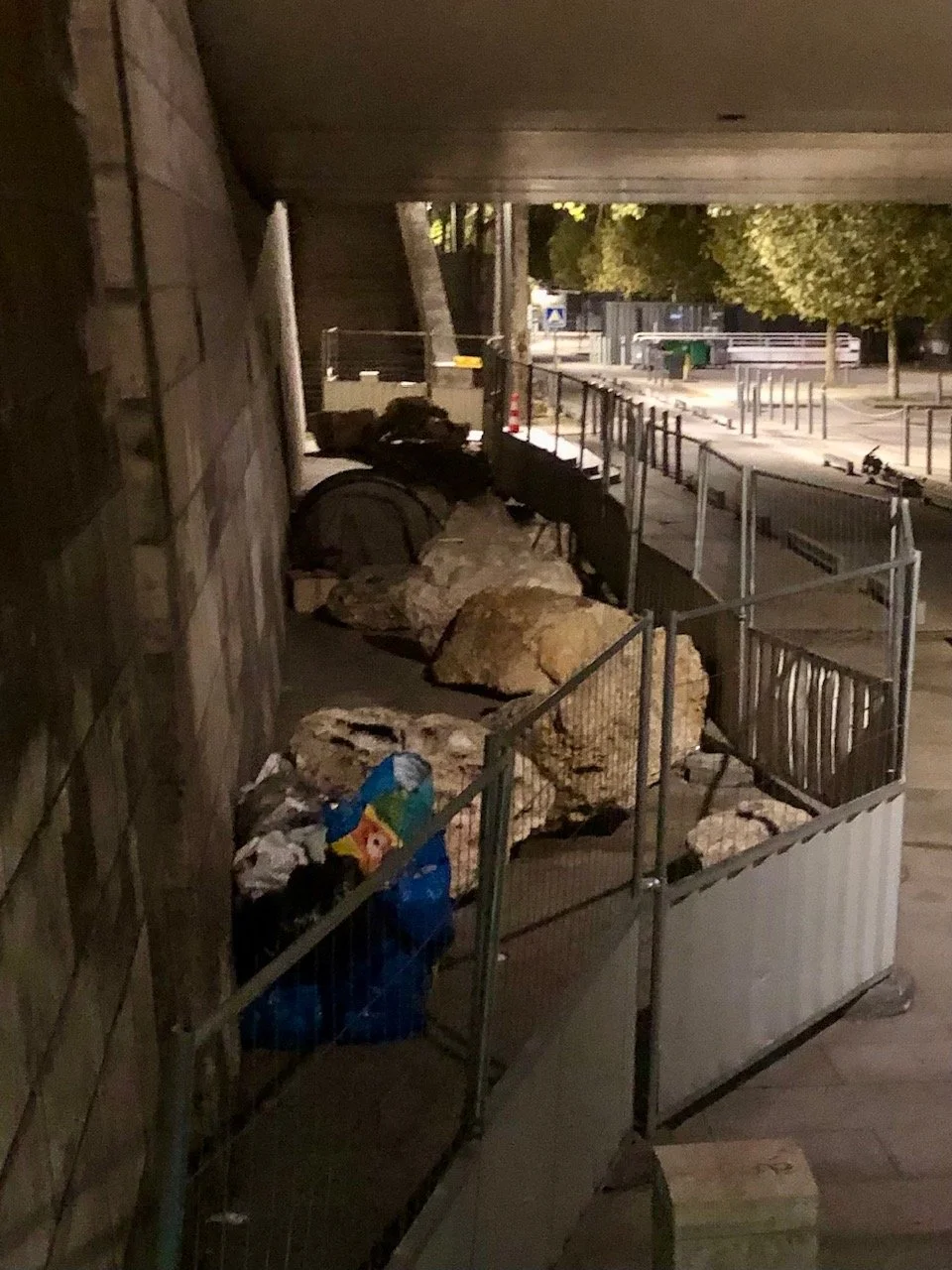
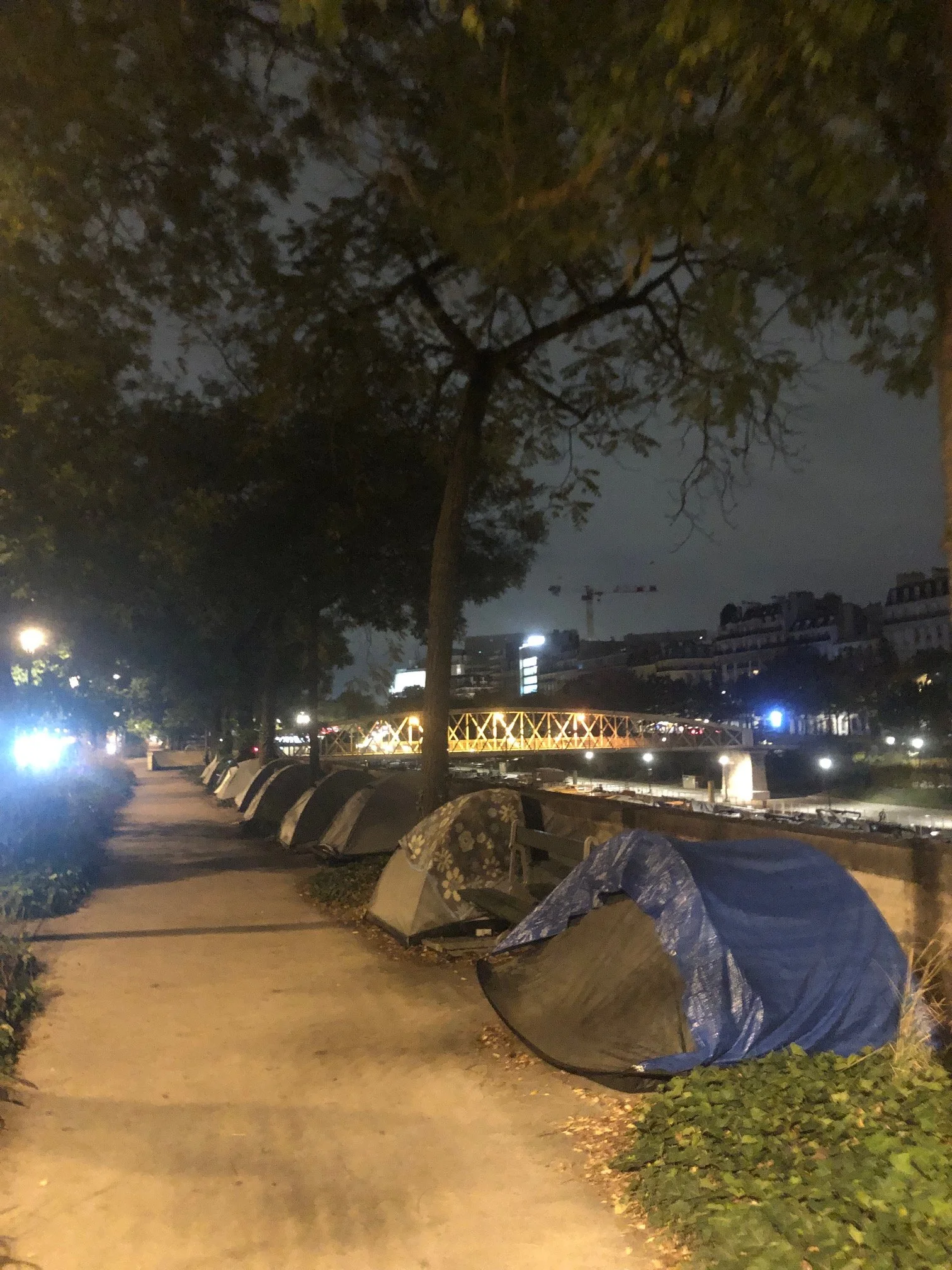
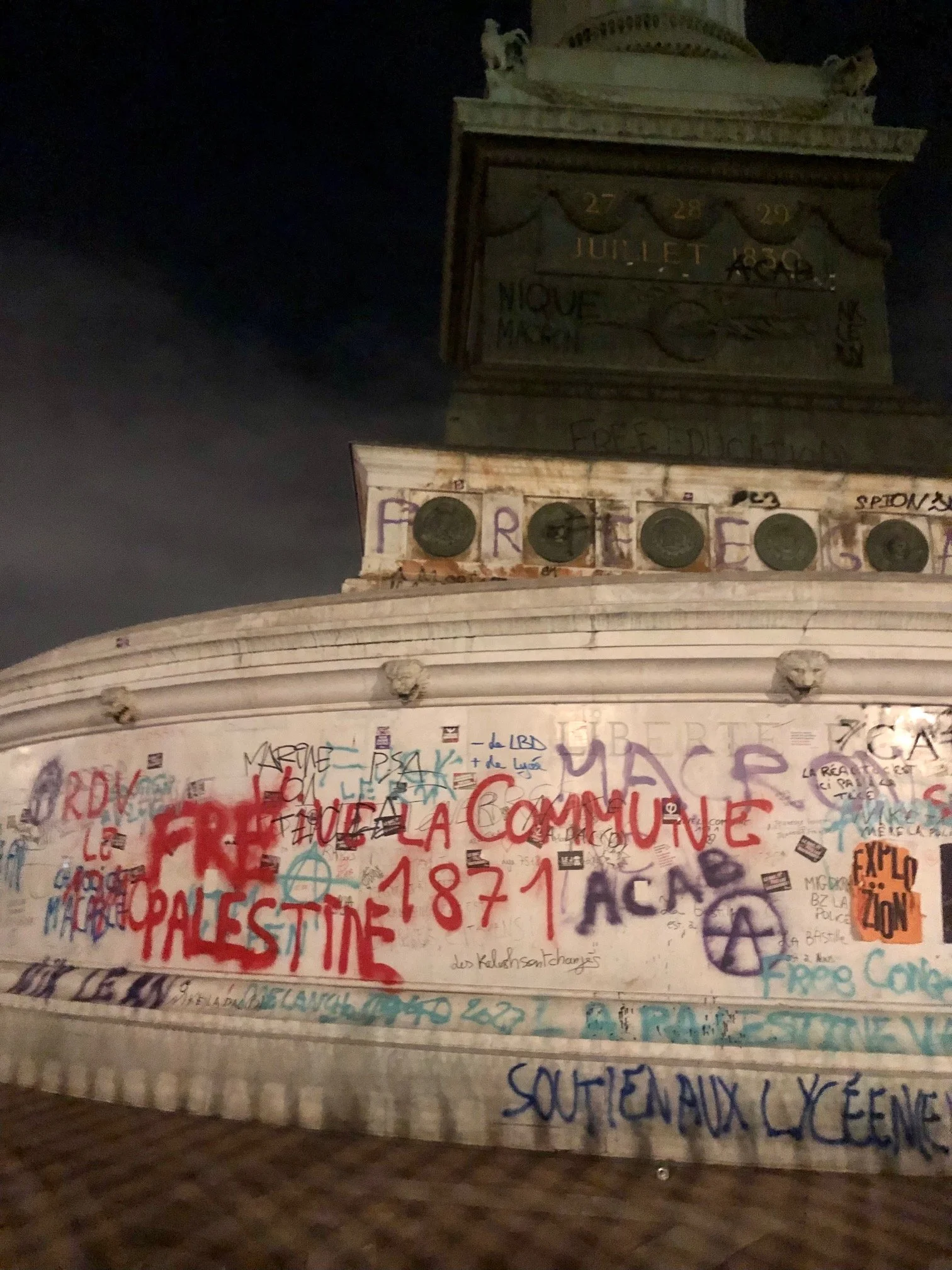
Banned day and night, Paris, October 2026; Large rocks blocking dry areas, Paris, October 2026; Tents along the footpath in Paris, October 2026; Graffiti at the Place de la Bastille, Paris, from the Lycéens “blocus” protest on October 1st.
Quisque iaculis facilisis lacinia. Mauris euismod pellentesque tellus sit amet mollis.