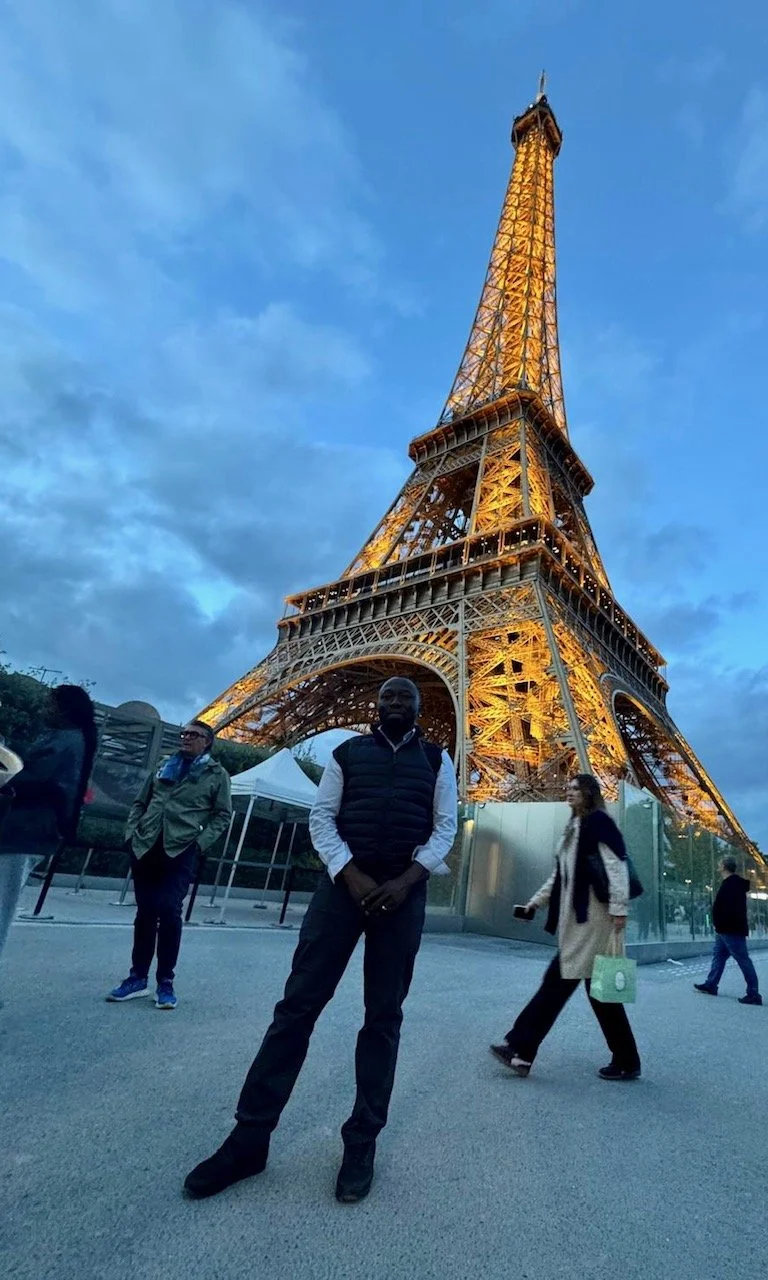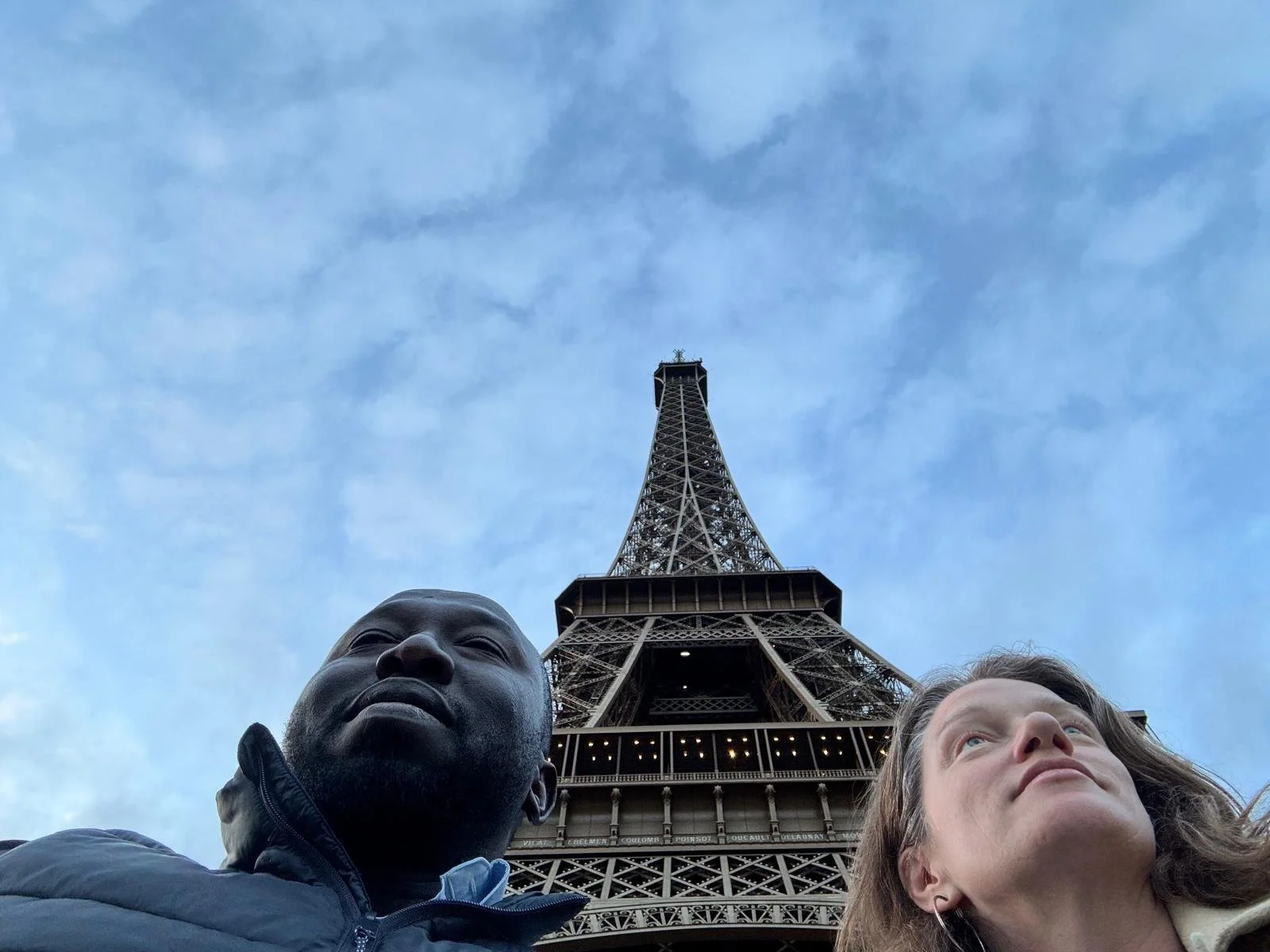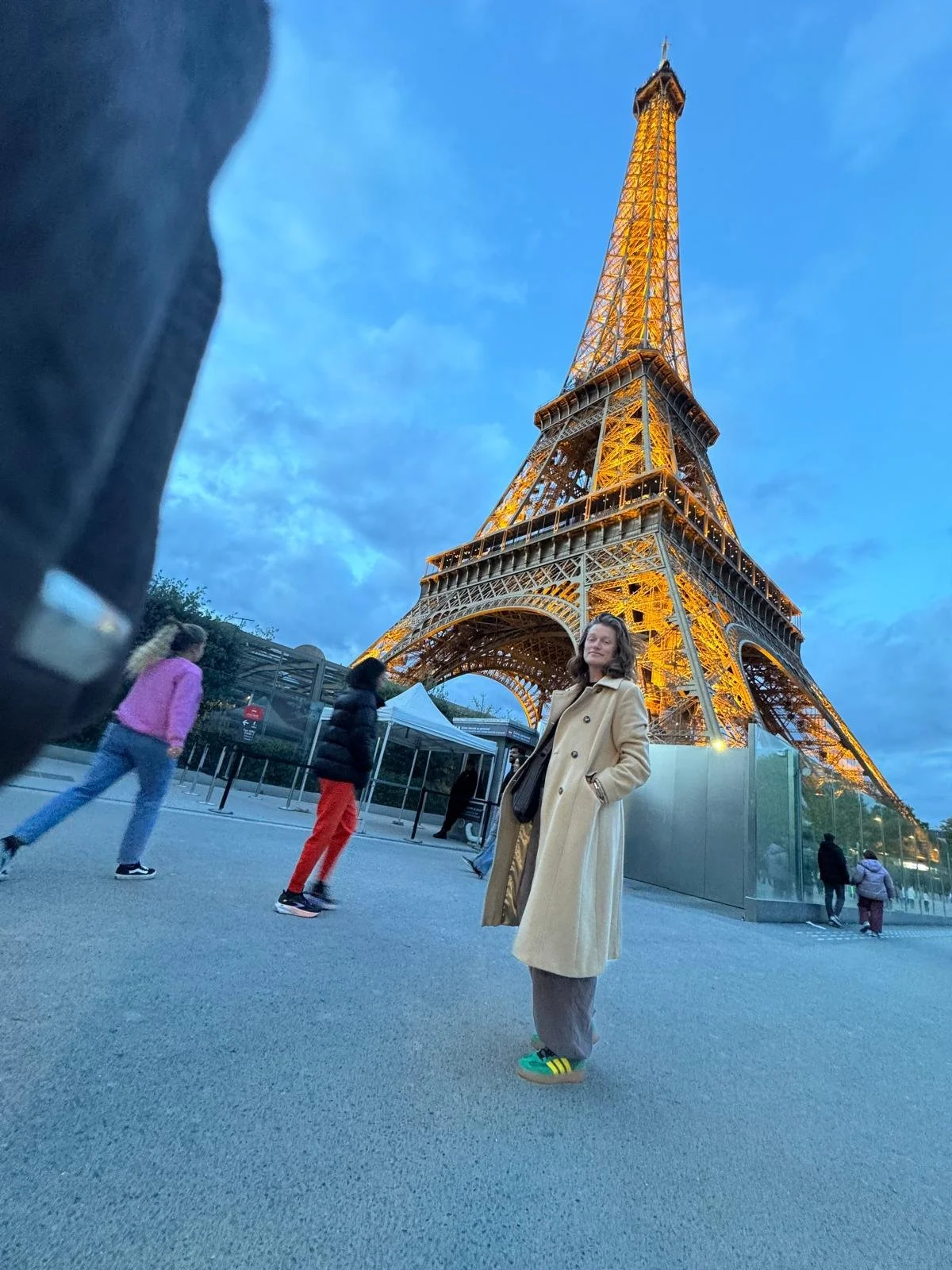
Mohammad Omar Abdulhafedh from Sudan invited me to Paris on 13th October 2026 to attend the Organisation for Economic Co-operation and Development (OECD) Global Forum on Building Trust and Reinforcing Democracy.
The OECD is an intergovernmental organisation with 38 member countries. It was founded in 1961 to stimulate economic progress and world trade.
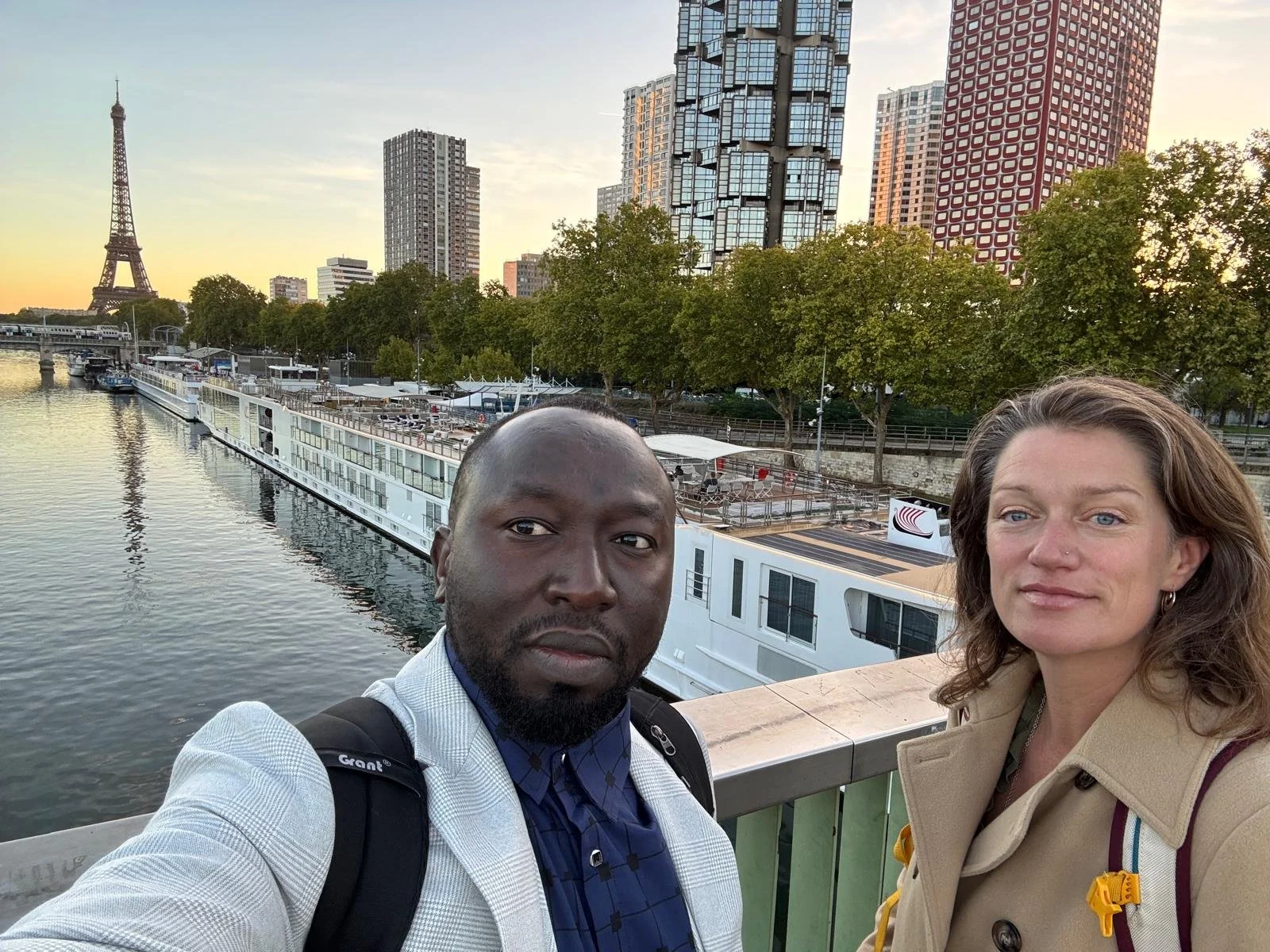
As I arrived on the early Flixbus from Geneva, I took the opportunity to revisit and document the Parisian streets at dawn. In my work as an independent researcher, systems thinker and social innovator, I connect the dots to try and make sense of the world.
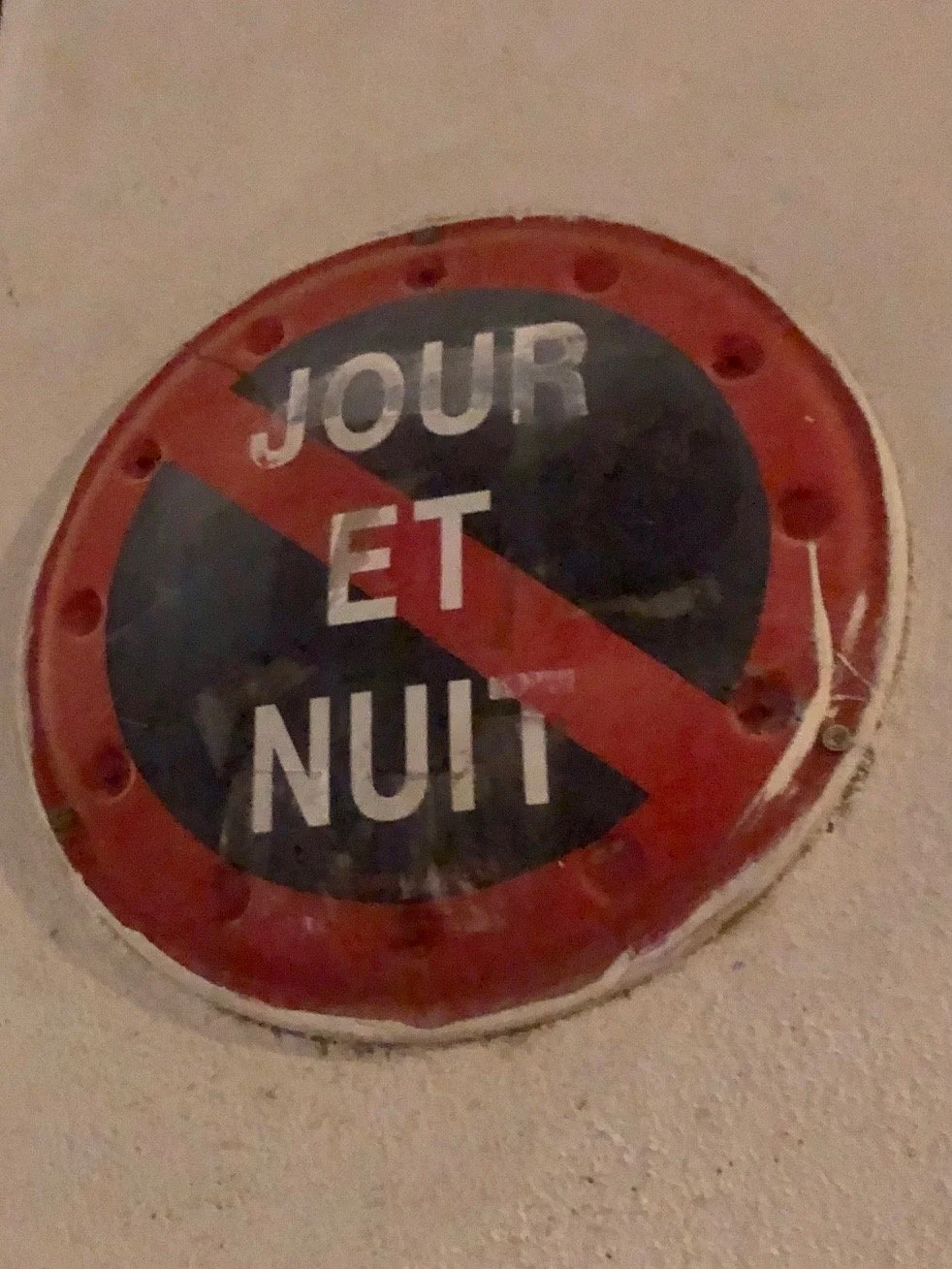
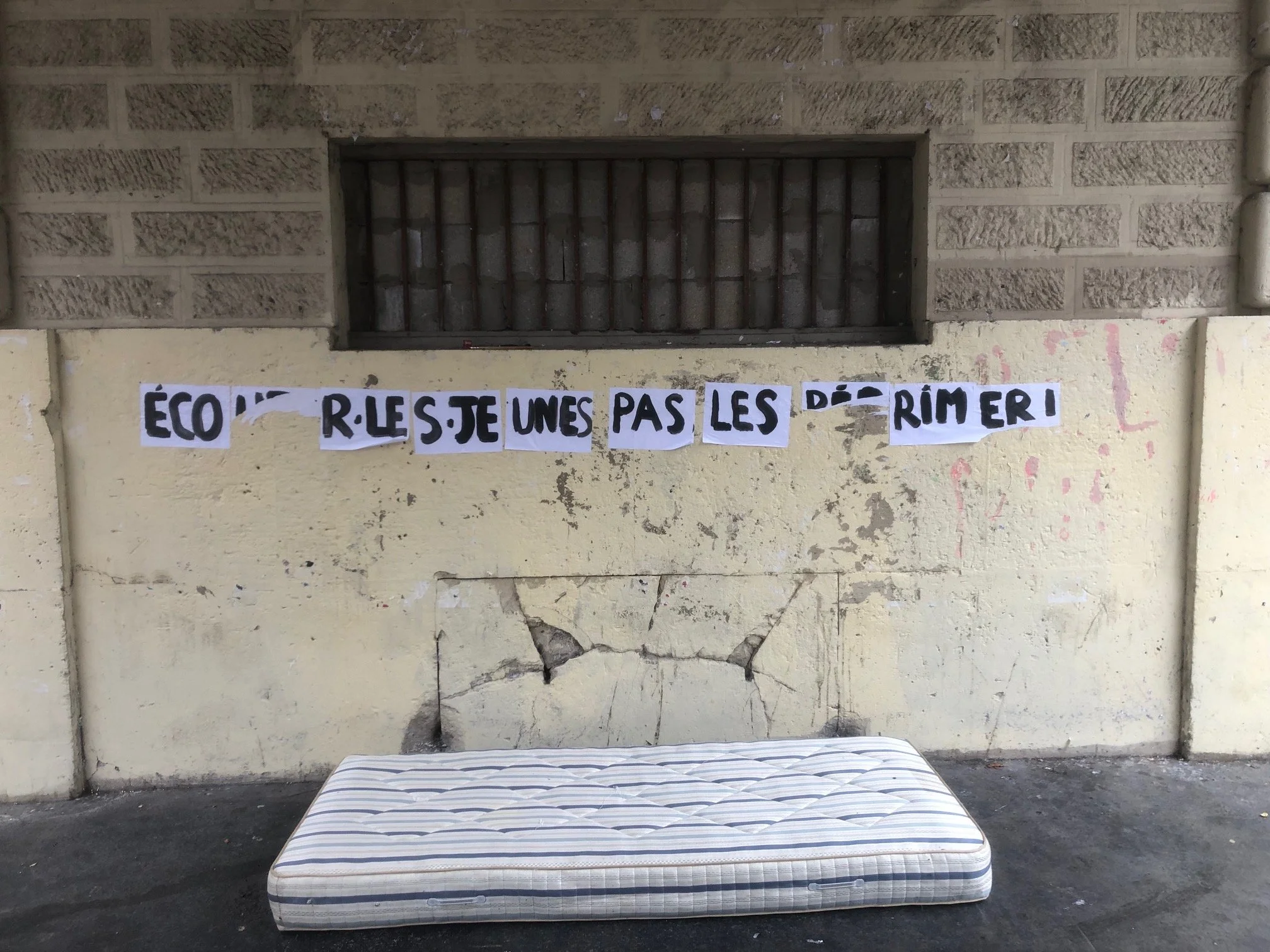
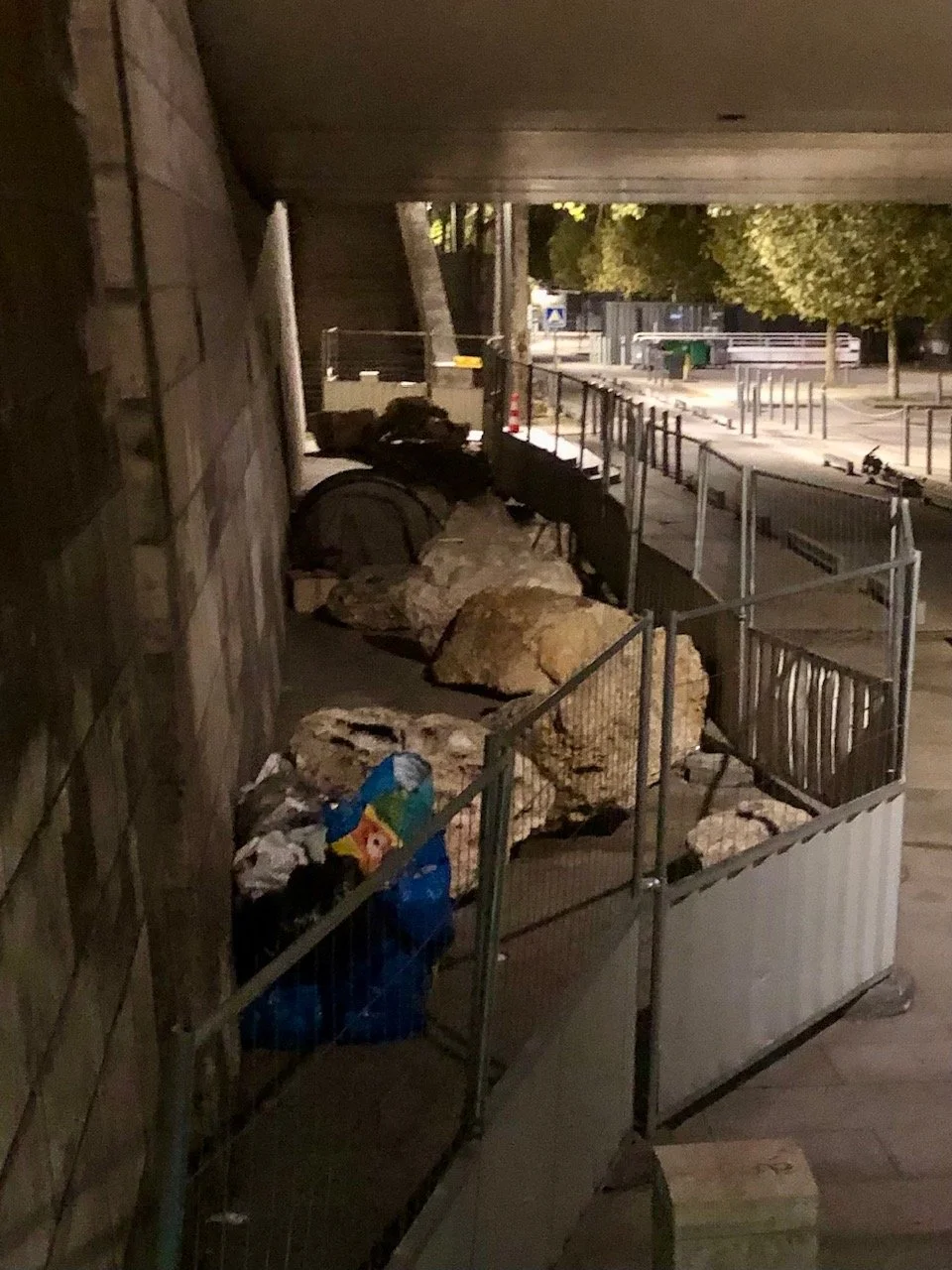
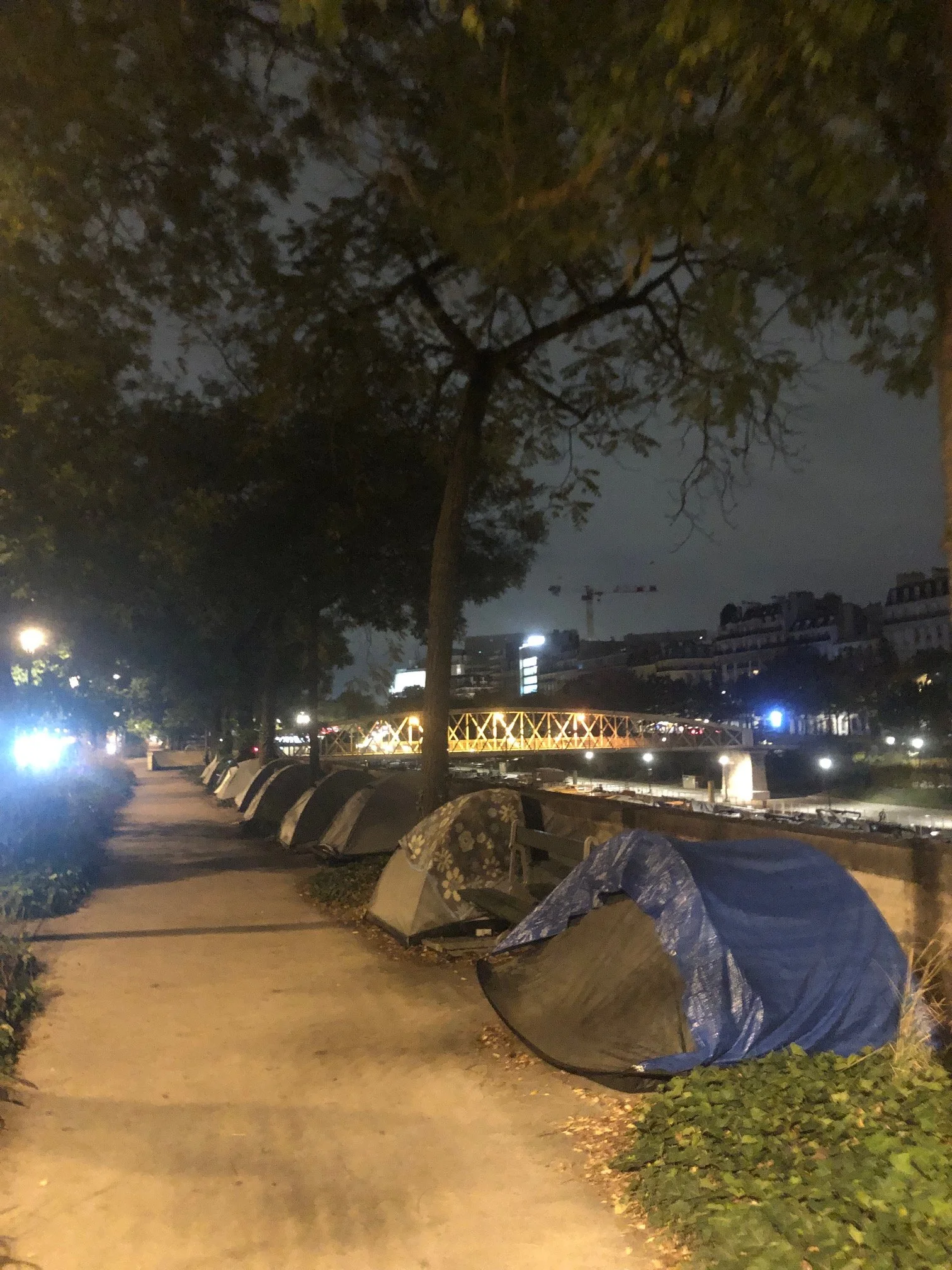
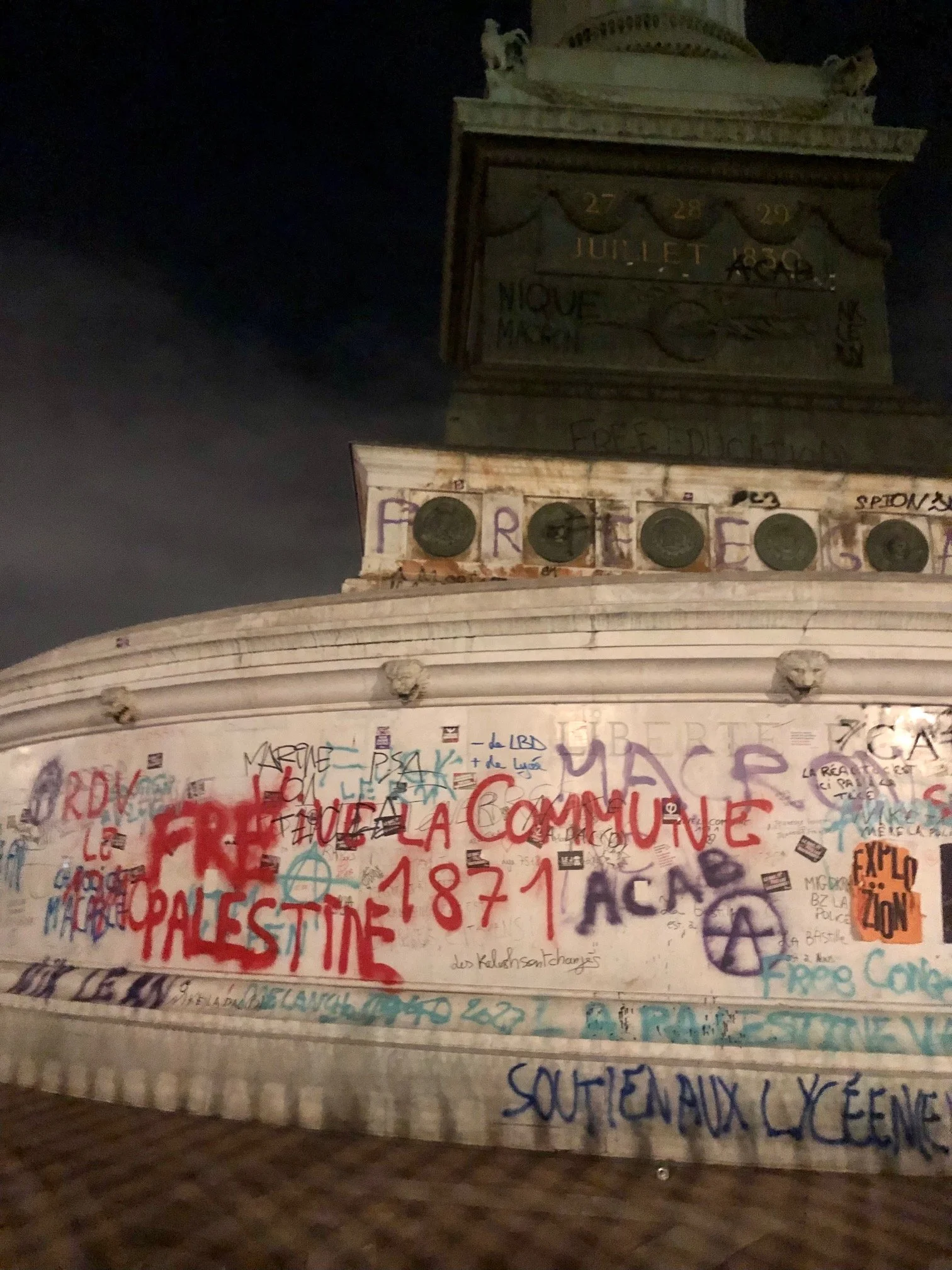
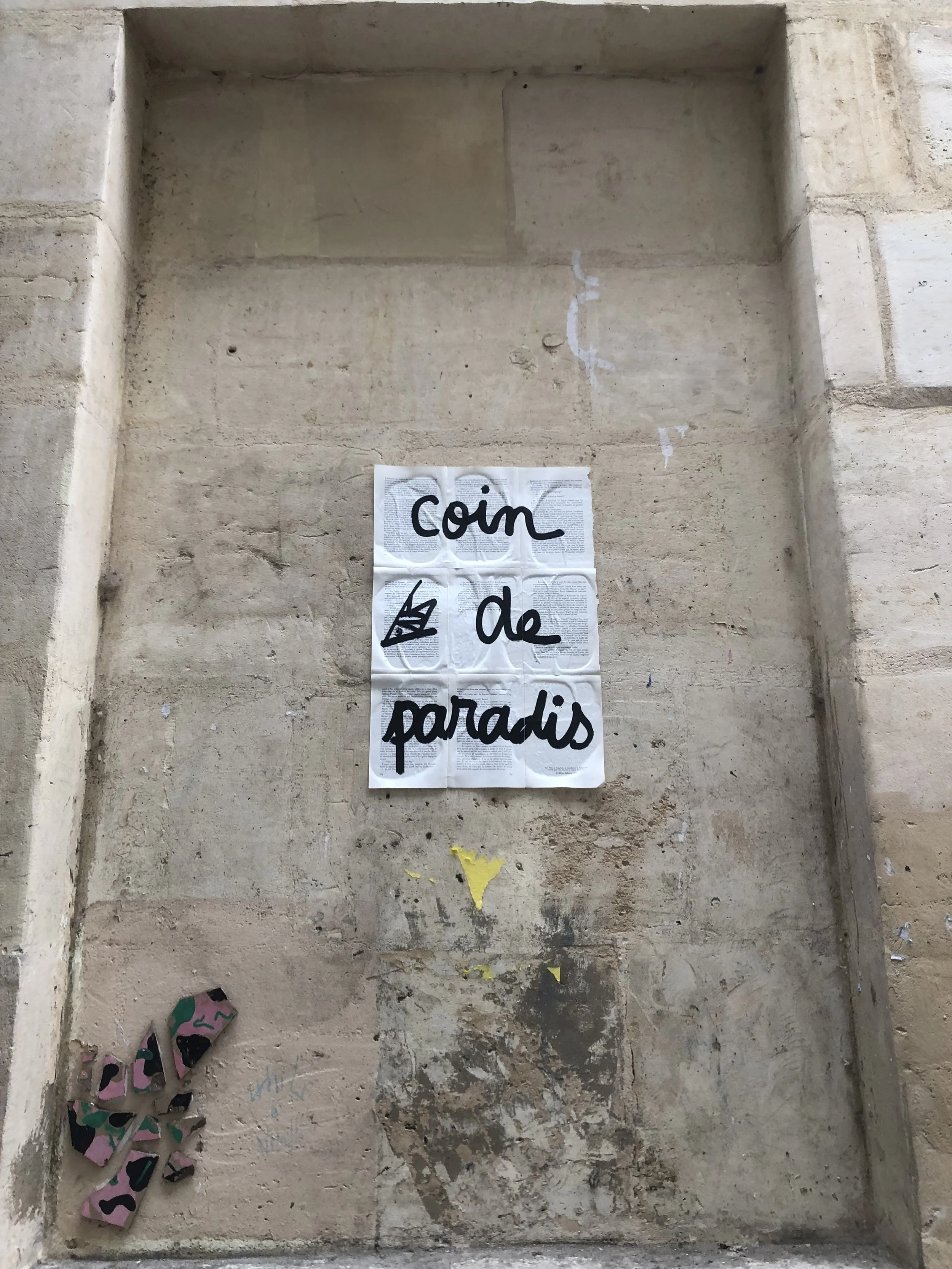
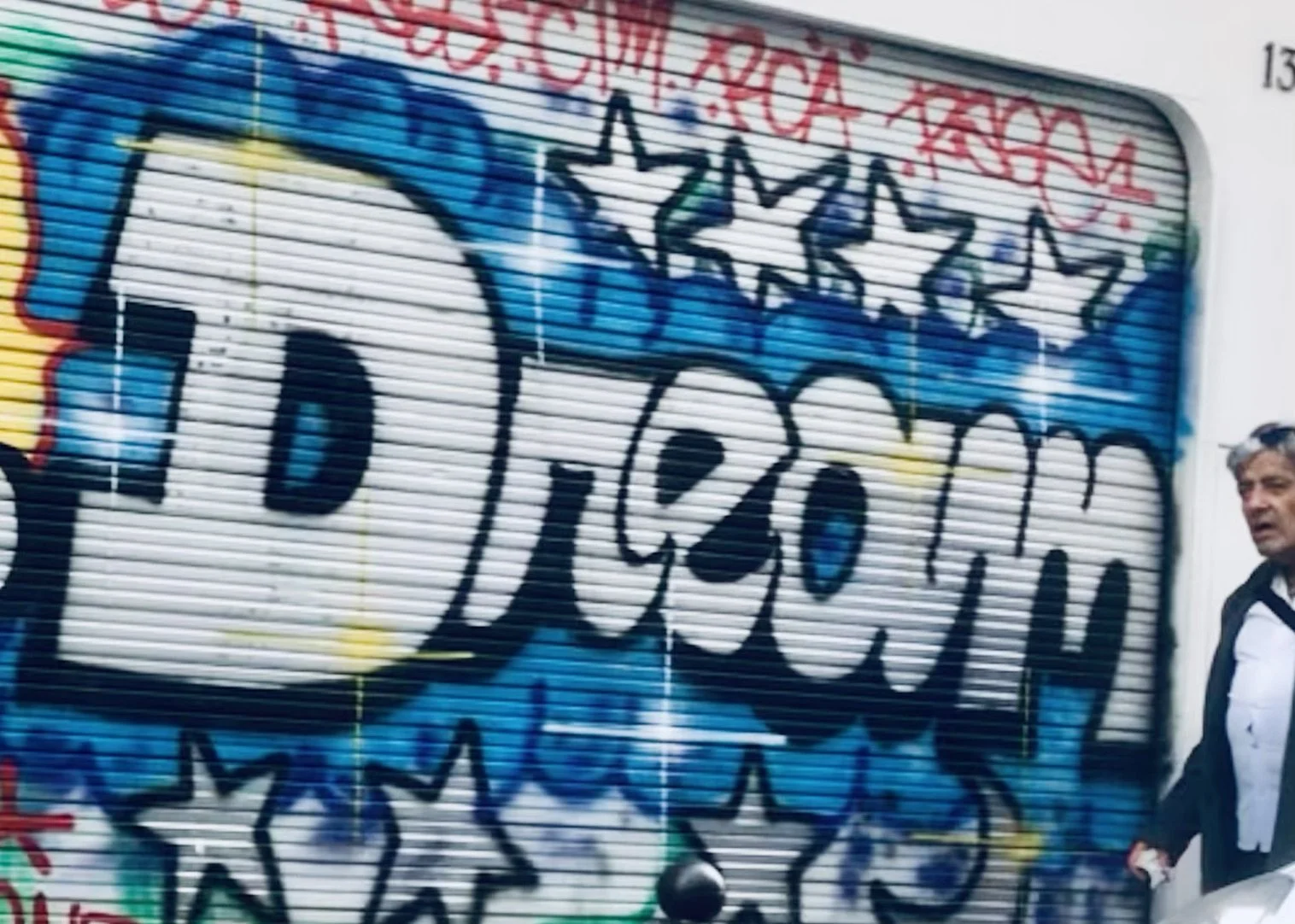
It was a decade since I was doing nightly distributions with Paris Refugee Ground Support and in many places tents are still lining the streets; now often squashed in by boulders and fencing. As I walked up Boulevard Bourdon towards Place de la Bastille, tents were pitched every 5 metres and rats ran between them. These are the streets where Lycéens are protesting for a better education, and a better, fairer future for everyone.

Omar and Emma sharing ginger coffee in Calais, France, winter 2015, Photographer Emily Parish, Rendah Films.
Now, the backstory.
Mohammad Omar - AKA The Dream - from Sudan and I first met in Calais Refugee camp in the winter of 2015. I was in Calais as a volunteer: in my day job I was leading the Social Innovation Lab Kent (SILK) at Kent County Council in UK regional government.
When Omar shared his poetry, I listened. The language of poetry has the power to reach audiences when there are no words. With his permission, I took his words back to the UK to tell the story of Calais.
Omar’s poem “Refugee in the Jungle” has subsequently been read far and wide, notably by fellow Poet Hollie McNish at Immig-RANTS at Amnesty and at Re-framing Migration, a SILK partnership with Design for Innovation and Sustainability Network (DESIS), which subsequently made policy recommendations to the South-East Regional Migration network.
Six months later when Omar arrived in UK and claimed for Refugee status on UK soil, we reunited as the Happiness All Around Collective. We were gifted a military catering tent from 1956 which we repurposed for peace and named The Welcome Tent. Food - Recipes of HOPE - became our universal language in a roaming community kitchen “we could all call home”.
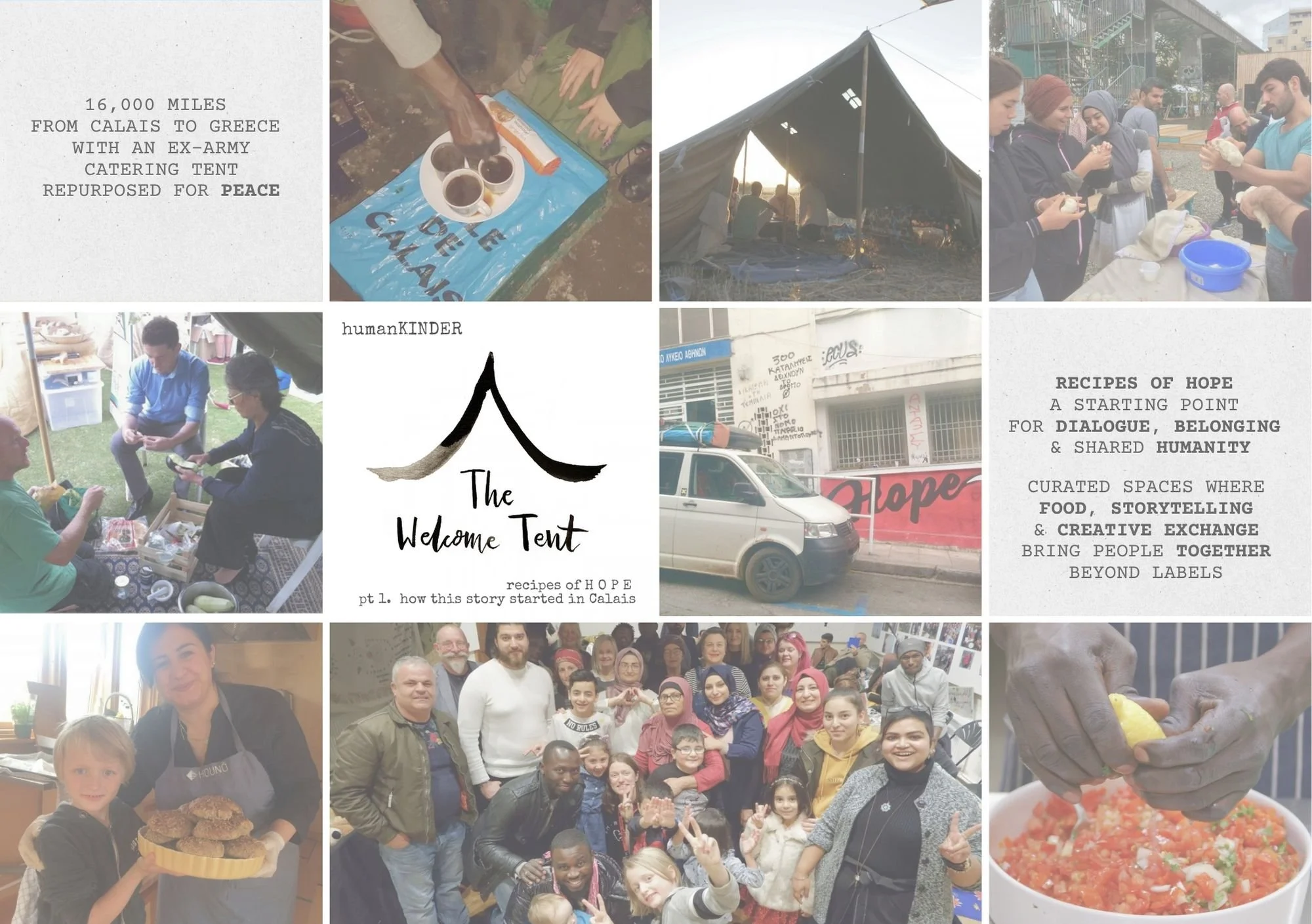
It was the beginning of an extraordinary journey, meeting extraordinary people like Mohammad Omar. Over the following years, The Welcome Tent travelled more than 16,000 miles across Europe - from Calais to Greece - collecting recipes, friendships and stories that would eventually become Recipes of HOPE.
Riaz Ahmed from Pakistan was another one of those extraordinary people. When I first met Riaz, he was volunteering with L’Auberge des Migrants, a french association on the ground in Calais. Despite facing his own challenges, he played a pivotal role in welcoming, supporting and coordinating people and their access to resources as they arrived.
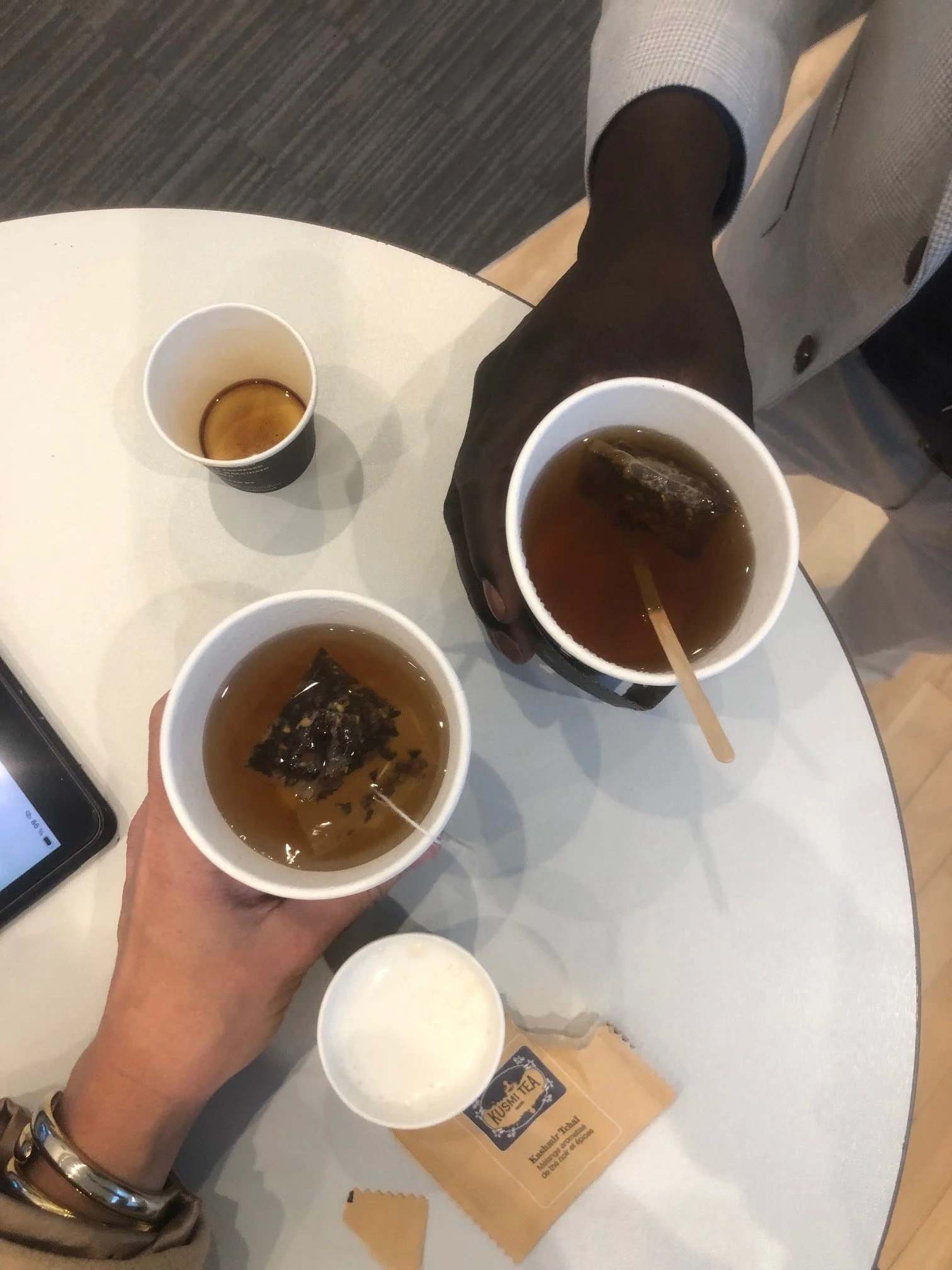
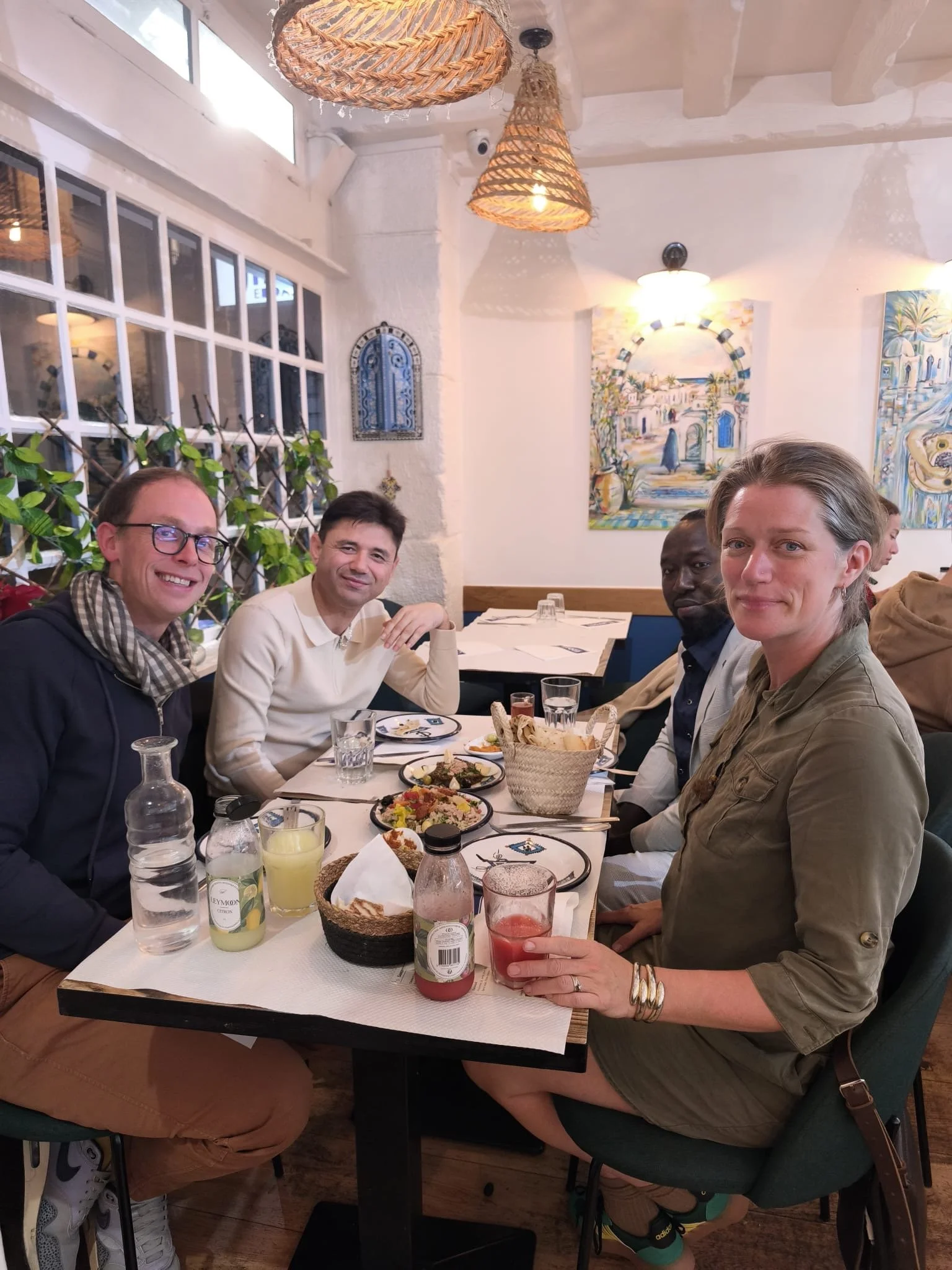
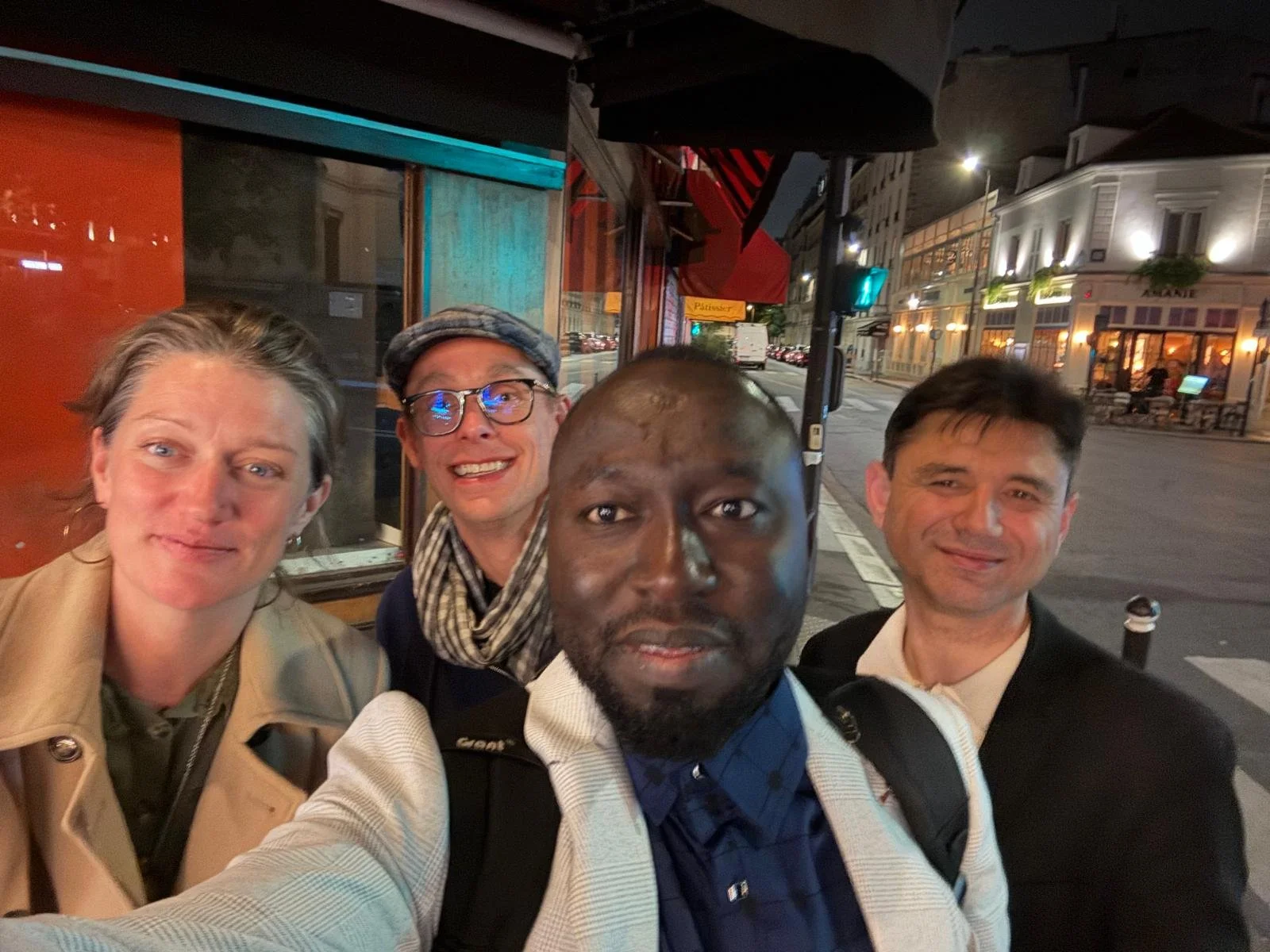
Our reunion dinner in Paris was a reminder of those times in Calais, which understandably would rather be forgotten. As the same challenges continue to be faced by thousands of forcibly displaced people arriving into Europe to this day, we continue to be witness. As we introduce more people to our shared stories, we can compare and contrast lived experiences from around the world.
In 2019, the humanKINDER team was awarded a global design research prize for Recipes of HOPE from the European Academy of Design and Design Indaba. The award recognised how Recipes of HOPE addresses the United Nation’s Sustainable Development Goals.
We are now reaching out to contributors as we curate Recipes of HOPE: return to the table, our forthcoming e-series. For further information or to support our work, please contact emma@humanKINDER.UK.