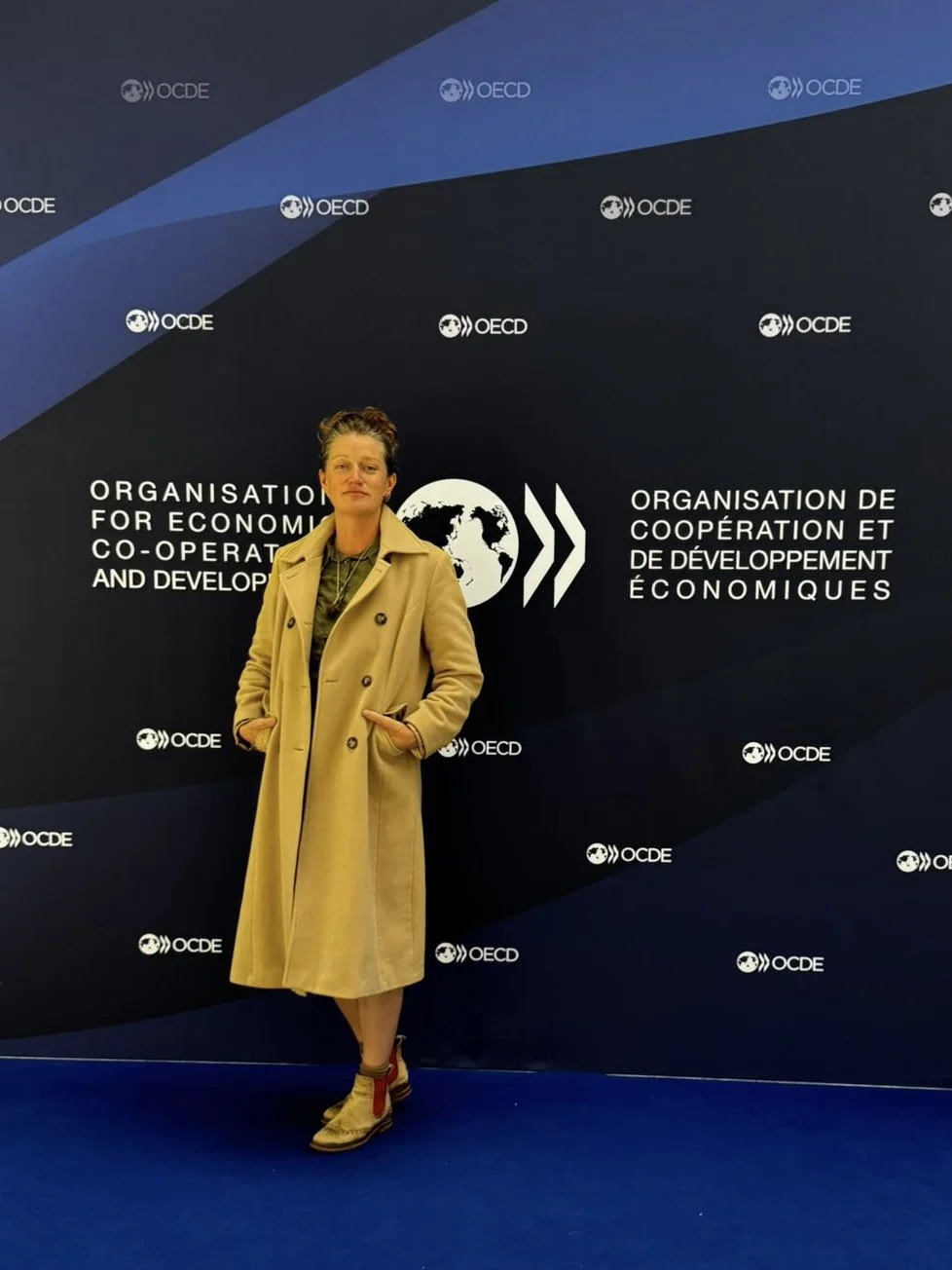
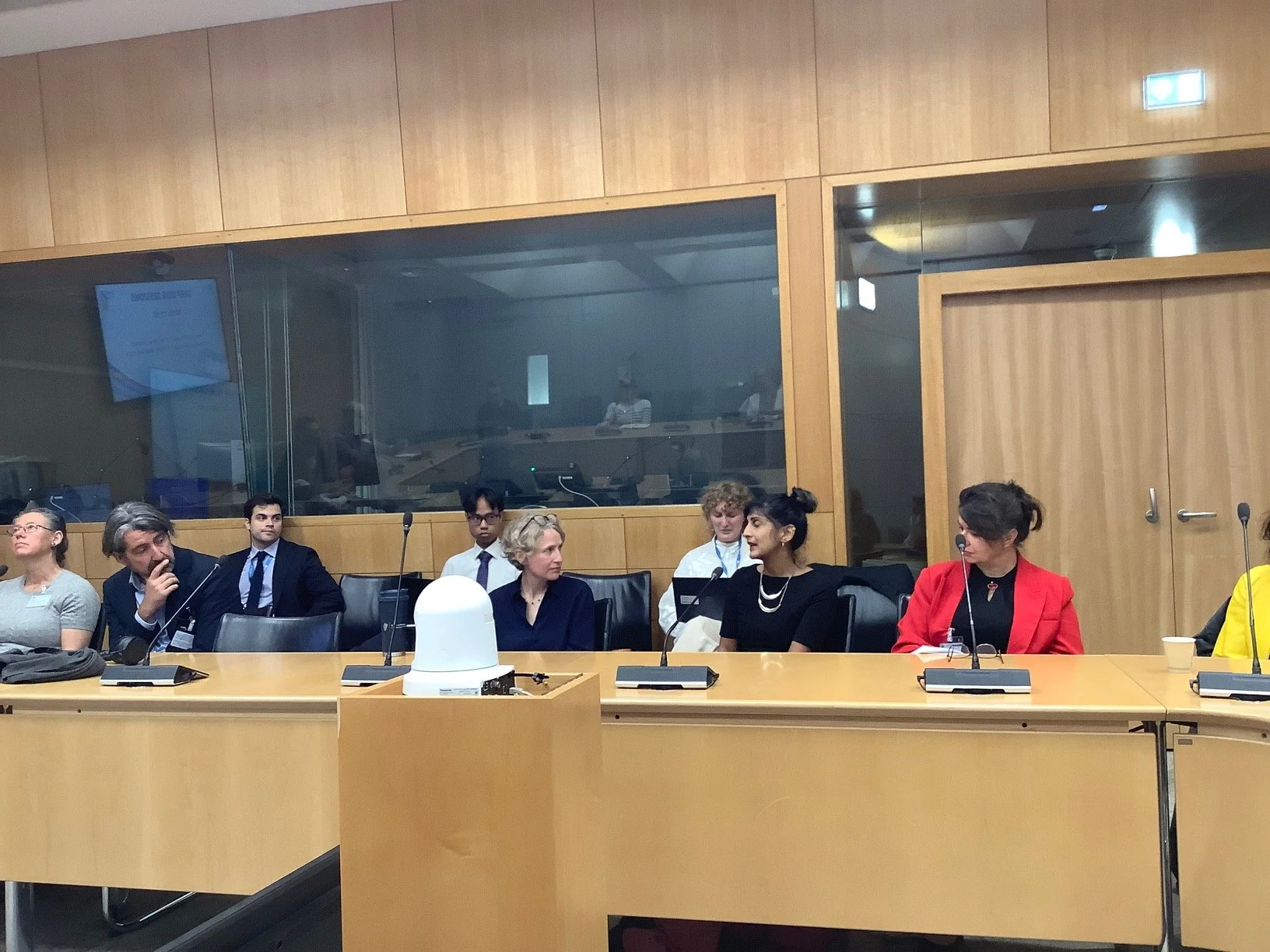
Government Unstuck: Resilient Democracies in a Fast-Changing World, was launched at the OECD 2026 Global Forum. This research had shown that low trust in government was, for the large part, driven by citizens’ perceptions they lack a voice in decision making.
I have worked alongside citizens of all ages and backgrounds, reporting back to regional health and social care commissioning boards in the fields of dementia, migration, family support, housing, digital care; co-designed and delivered strategic policies, re-designed services and even co-designed and published a book of cartoons with children of grandparents living with dementia. Thus the following conclusions were of no surprise to me:
“Stronger trust and better policies emerge when governments engage citizens throughout policy and delivery functions. Practices that give citizens a bigger role in agenda-setting and institutionalise new participation methods and tools, such as citizens’ assemblies and national dialogues, help ensure decisions are informed by societal needs and perspectives and build ownership of decisions taken”.
Max Rashbrooke spoke most vehemently of all the speakers about the need for urgency. Democracy is under threat. Authoritarian, xenophobic parties are using current conditions to their advantage to reinforce their views of the world, while healthy civic spaces are in decline.
Max’s vision was for “everyday democracy … woven into the fabric of people’s lives”.
I am hoping that this event, and the context on the Parisian streets outside, will be a catalyst to do democracy differently. But that requires significant power shifts. Where representatives of public institutions are willing to step outside their comfort zone, power dynamics could be turned on their heads and a re-imagined deliberative democracy - adaptable to what the future may hold - could emerge. I include some of the key themes from the conference in Annex A.
“Silence is more important than sound”, said Miles Davis, Musician. I look for the people missing from the room. Their silence is louder than any words. As Sabine Junginger, Professor of Civic Design, asked; “Why is civil society not represented in this room today?”
Arguably the loudest omission during this ecologically precarious time, are voices representing the Earth and Indigenous Communities. This is all connected.
My question is how can public institutions not only come unstuck, but re-design their democracy offer? Democracy in its truest sense - by the people for the people - could be re-framed as a reciprocal exchange between state and citizen, so that all human beings can be heard and understood; their lived experience contributing to service transformation for other human beings.
Visionary and ethical leadership and the actual resources to do the work properly, are now needed. Listen to the demands of those taking to the streets; connect the dots without getting drowned in the concrete block of bureaucracy or the flippancy of politics; build the capabilities of the public sector while acting with humility; identify trusted intermediaries who can navigate reciprocal learning pathways between an energised public and a motivated workforce.
Policy frameworks are one thing though and genuine involvement is another.
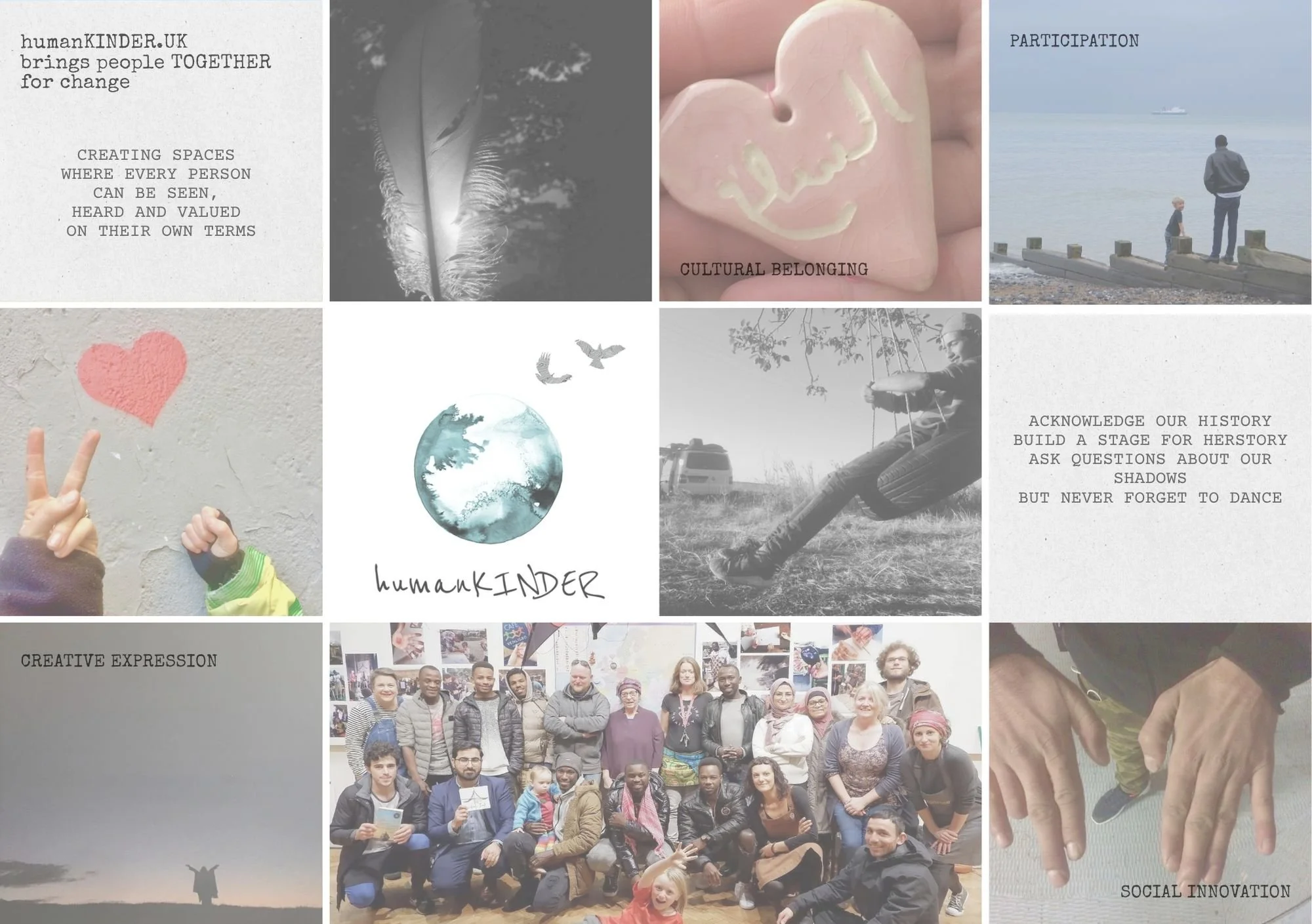
In our work at humanKINDER, setting the scene and integrating the act of welcome has become our USP. Hospitality can determine the level of trust, influencing success, durability and outcomes of a process. We use food as a tool to create the conditions to catalyse trusted spaces, relationships and reciprocal learning processes. Dialogue, exchange and democratic participation are hand in hand with preserving culture, human dignity and joy.
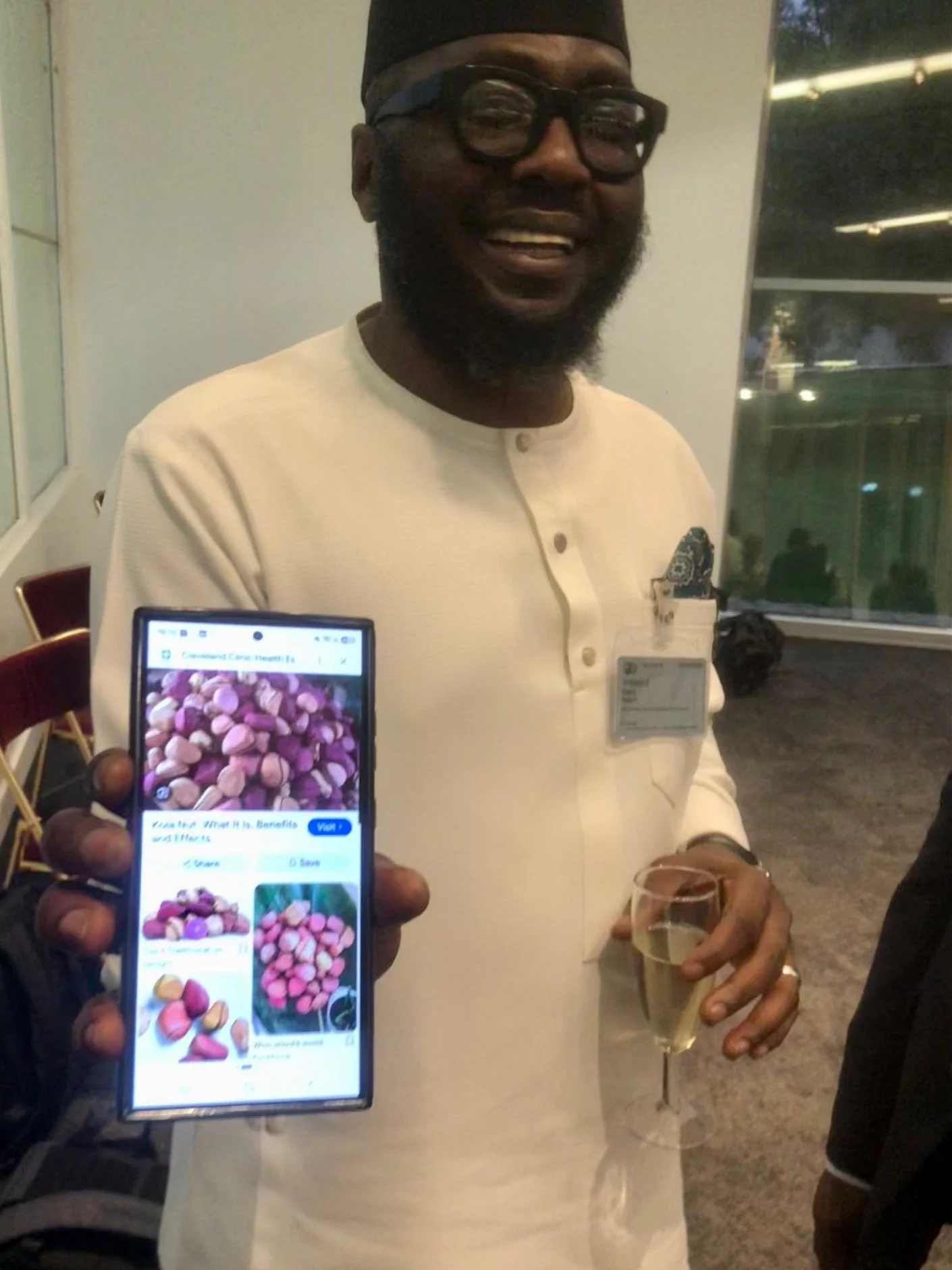
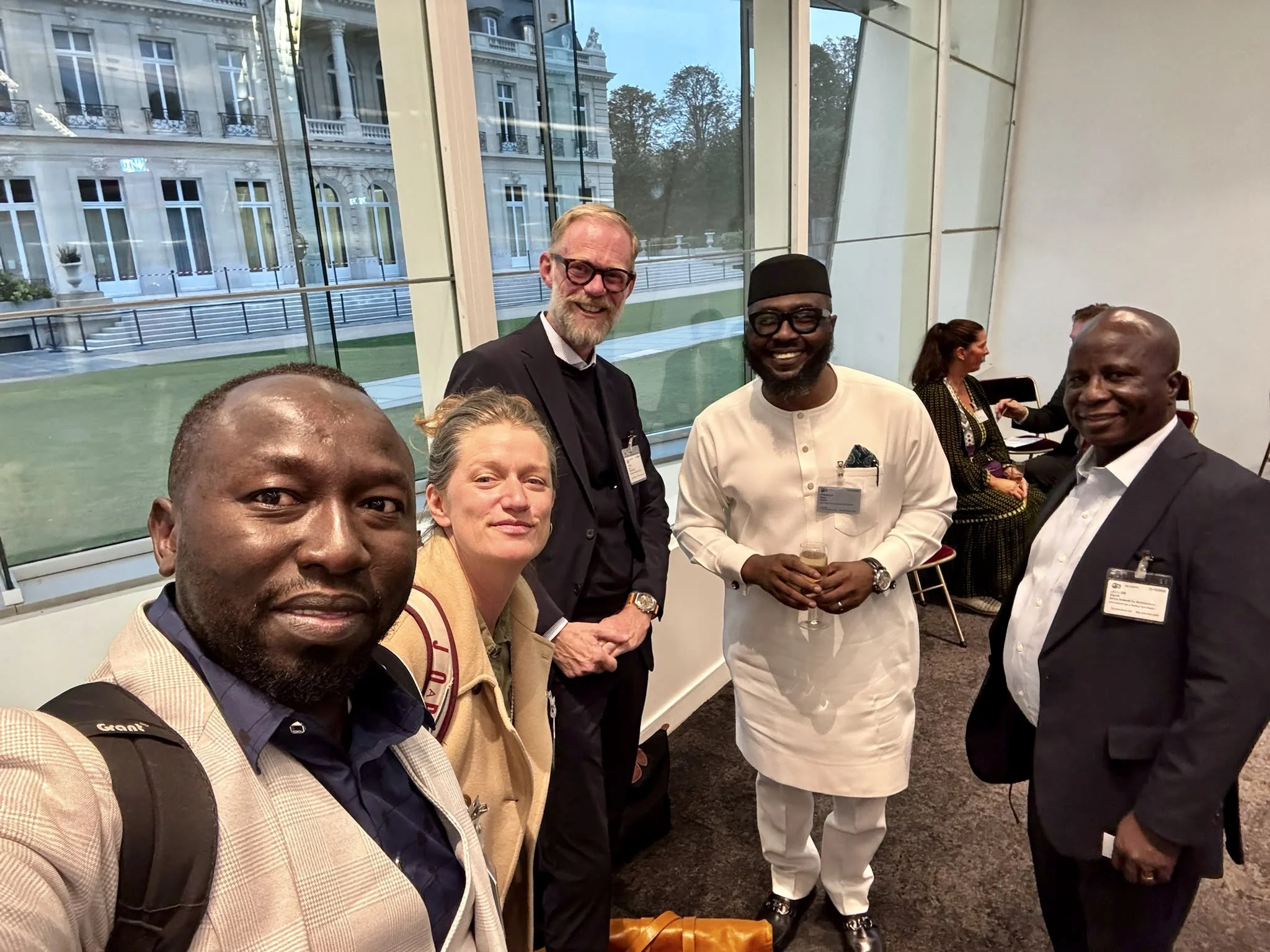
Recipes of HOPE has been tested in nine countries with people representing over sixty cultures. Jolof Rice is now included for Nigeria after meeting Dapo Oyewole, Secretary General, Conference of Speakers & Presidents of African Legislatures at the OECD. Dapo further went on to describe the use of Kola Nuts as currency to enter any compound in Nigeria and how they are traditionally exchanged before an official meeting could commence.
I concluded the OECD event with a superb exchange with Bilal Ata Aktas, Founder of Paris Centre of Democracy (PADEM). PADEM hosts Democracy Dinners which “reimagine democratic participation as an everyday, relational practice rather than a distant institutional process. By using food as democratic infrastructure, we convene intimate, curated dinners built around specific cultural and geopolitical pairings”. We are talking the same language.
I am delighted to say that our conversations will continue as we plan for humanKINDER’s Recipes of HOPE to join Democracy Dinners for a Sudanese pop-up dinner in Paris in January 2027.
Annex A
ACCOUNTABILITY - Inkosi Miami Buthelezi, South Africa Minister for Public Service & Administration: “Where there is no trust, this goes to the heart of the legitimacy of democracy - by the people for the people… seeing a visible disconnect between government and citizens : as soon as governments take power they forget who gave them the mandate… where there is institutionalisation of unscrupulous people, institutions must be held accountable”.
SHARED UNDERSTANDING: “Voice means more than having the power to speak up - it means being understood”.
MANAGING EXPECTATIONS - Lydia Lamisi Akanvariba, Ghana; Minister of State for Public Sector Reforms: “The citizen view should be part and parcel of policies … must ensure effective feedback loops to be able to manage expectations where it is not possible… institutionalise the feedback loop”.
SOCIAL DIALOGUE - Veronica Nilsson, General Secretary; Trade Union Advisory Committee to the OECD: “civic space is reducing… we need to remember the effectiveness of social dialogue as a concept… bringing people together, leads to longer lasting outcomes… the importance of inviting people early in the process and not too late as a token gesture”.
HUMANISM - “when considering AI, how can we not lose the aspect of humanism”
THOUGHTFULLY DESIGNED PROCESS - Art O’Leary, Chief Executive of An Coimisiún Toghcháin, the Irish Electoral Commission - Citizen Assemblies Ireland: “Design an engagement programme where people are given enough information to make informed decisions… We chose two intractable problems - reproductive health and marriage equality … the results were checked back with the Irish people. Government had underestimated the nuances and understanding of the Irish people… Why did it work? We had a large representative group who we worked with for seven months. They were informed and educated about the subject… their final view was an informed view”.